

 中文简体
中文简体
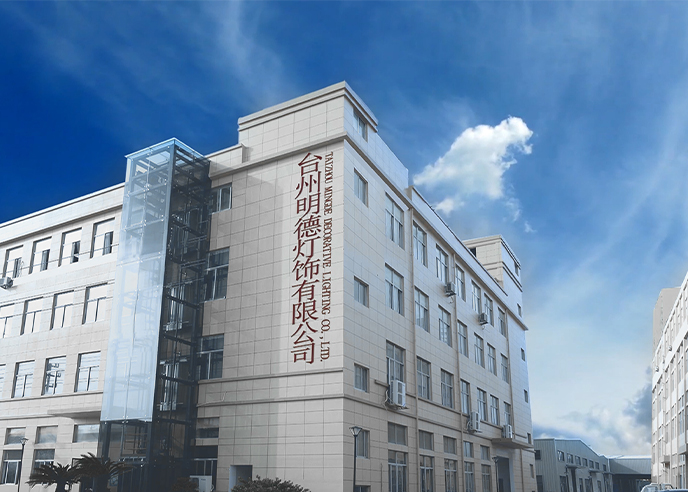
Taizhou Mingde Lighting Co., Ltd., with an annual production capacity of 10 million strings of festive lights, is one of the largest export bases for festive lights in China. Formerly part of Zhejiang Festival Lighting General Factory, it was founded in 1968. In the 1990s, former national leaders such as Jiang Zemin, Li Ruihuan, and Qiao Shi visited the old factory, and it was even honored to have its name personally inscribed by President Jiang Zemin. The company has repeatedly won honors such as Advanced Unit and First-Class Enterprise, enjoying a good reputation in the Christmas lighting industry.
The company was among the first in the domestic industry to obtain UL certification in the United States, and its main sales markets are the United States and Central and South American countries. The company established an ISO9001 quality system in 1997. Product types include linear lights, icicle lights, net lights, circular lights, spiral trees, and a series of string lights such as LED, copper wire lights, and cord lights. The company possesses advanced equipment for festive lights, including wire production equipment, fully automatic plastic molding machines, automatic bubble threading machines, string light assembly machines, automatic copper strip punching machines, winding machines, automatic buckle cutting machines, copper wire light manufacturing equipment, cord light manufacturing equipment, etc. Materials are sourced and manufactured according to international standards. From component production to string assembly, every step is rigorously controlled, making it an integrated, standardized enterprise with a seamless production-to-shipment process.
A clean and tidy environment, fixed monthly learning sessions, and a variety of recreational activities perfectly align with the company's vision: to create a happy life for employees and build a "Mingde Spiritual Home."
Mingde employees believe that customer satisfaction is our sole wish. We make lights with heart, conveying the light and joy of love!
All colleagues at Mingde Company welcome domestic and international customers to visit and guide us, and to work together for mutual progress!
-
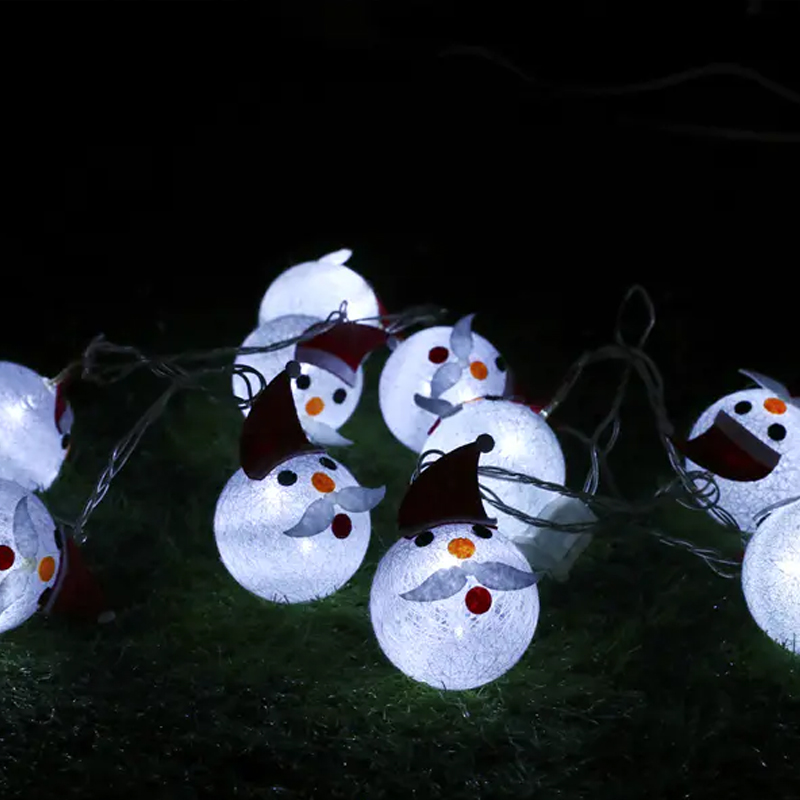 Santa Bear Shaped LED Battery Holiday LightsThis Christmas bear-shaped LED battery-operated light combines adorable holiday elements, with LED b...
 -
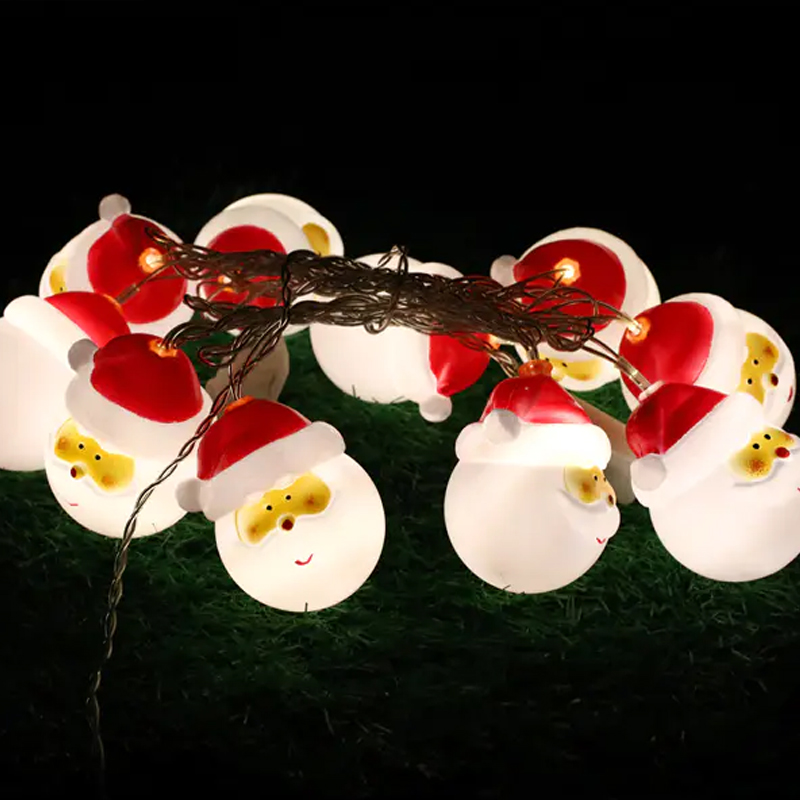 Santa Shaped LED Battery Holiday LightsThis Santa Claus-shaped LED Light features a three-dimensional lamp housing design, presenting the c...
 -
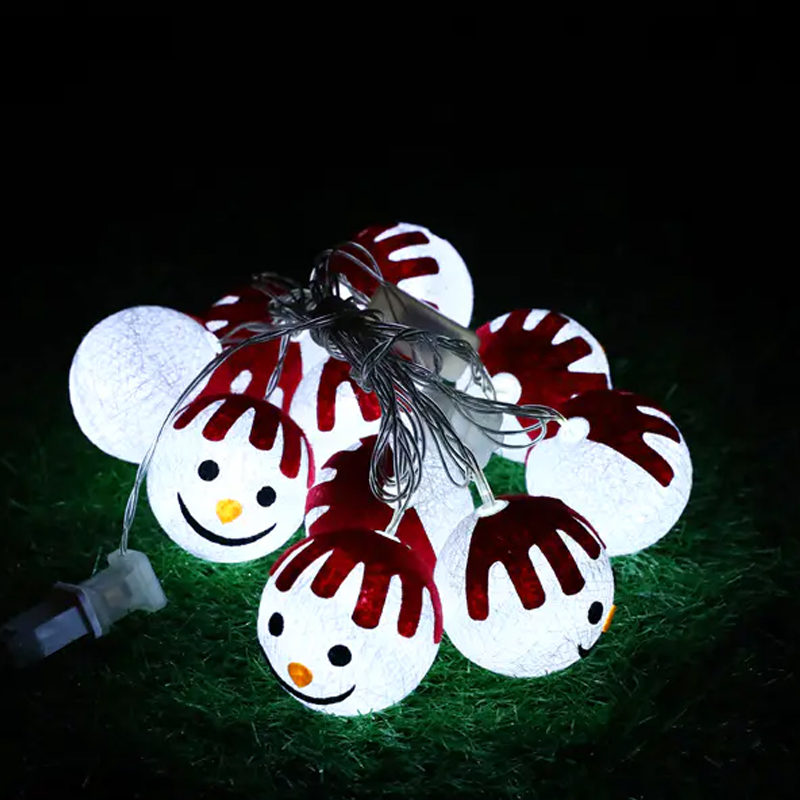 Snow Doll Shaped LED Battery Holiday LightsThese snowman-shaped LED battery-operated lights create a wintery festive atmosphere with warm, soft...
 -
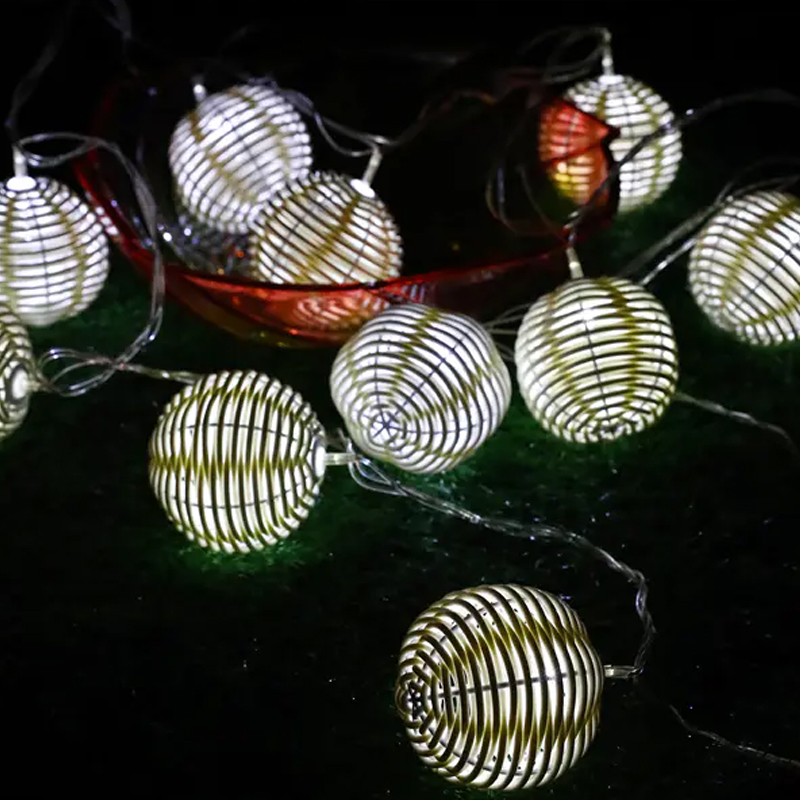 Lanterns Shaped LED Battery Holiday LightsThese lantern-shaped LED battery-operated lights feature a small, three-dimensional lantern design, ...
 -
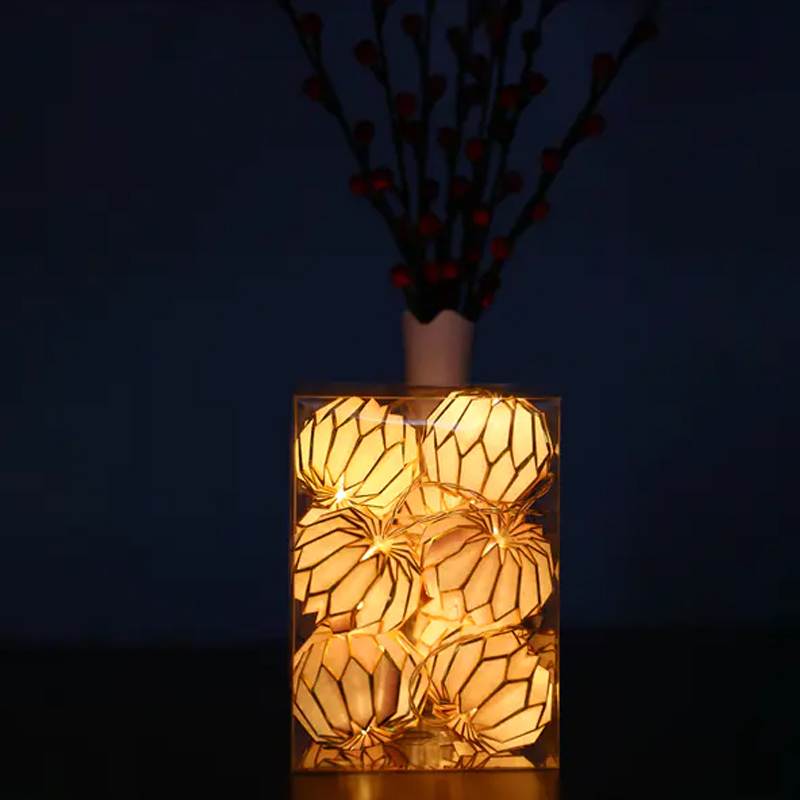 Pumpkin Shaped LED Battery Holiday LightsThese pumpkin-shaped LED battery-operated lights are themed for Halloween, with LED beads embedded i...
 -
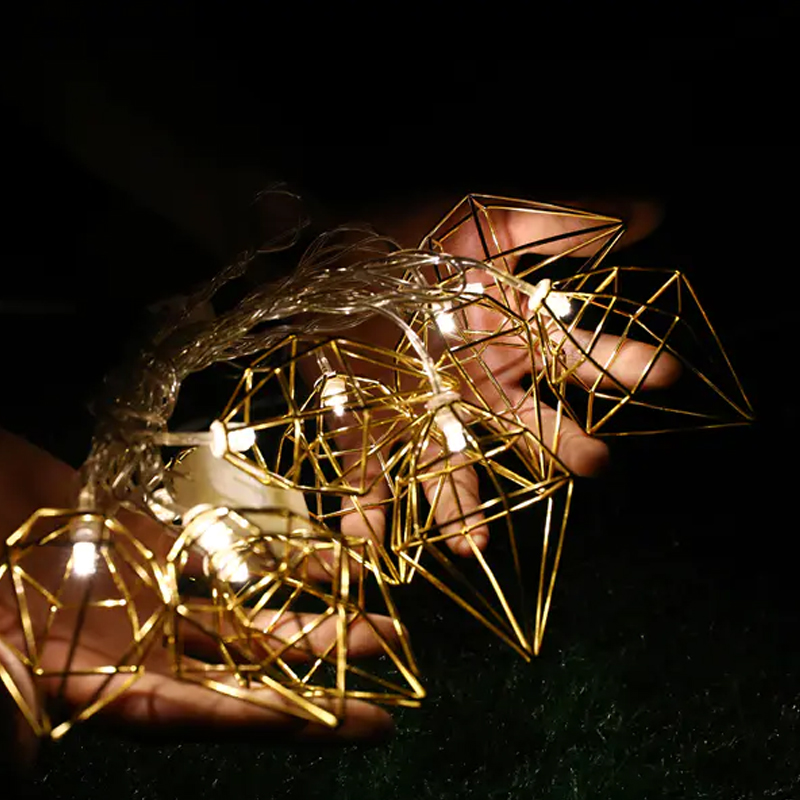 Diamond Shaped LED Battery Holiday LightsDiamond-shaped LED battery lights feature faceted LED beads that create a sparkling effect, radiatin...
 -
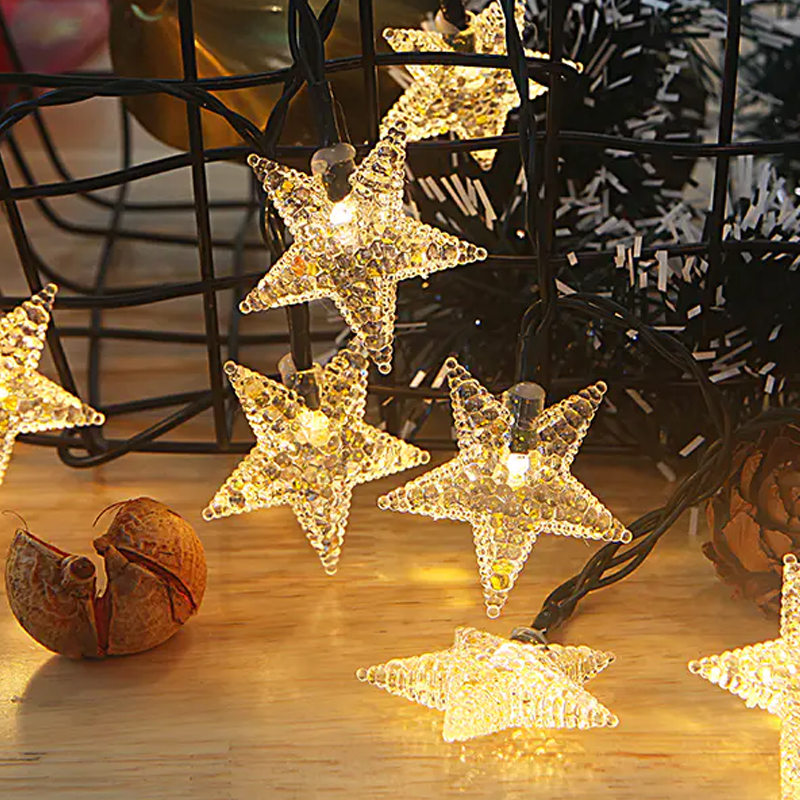 Star Shaped LED Battery Holiday LightsEach star-shaped LED battery light features a five-pointed star-shaped bulb, creating a dreamy light...
 -
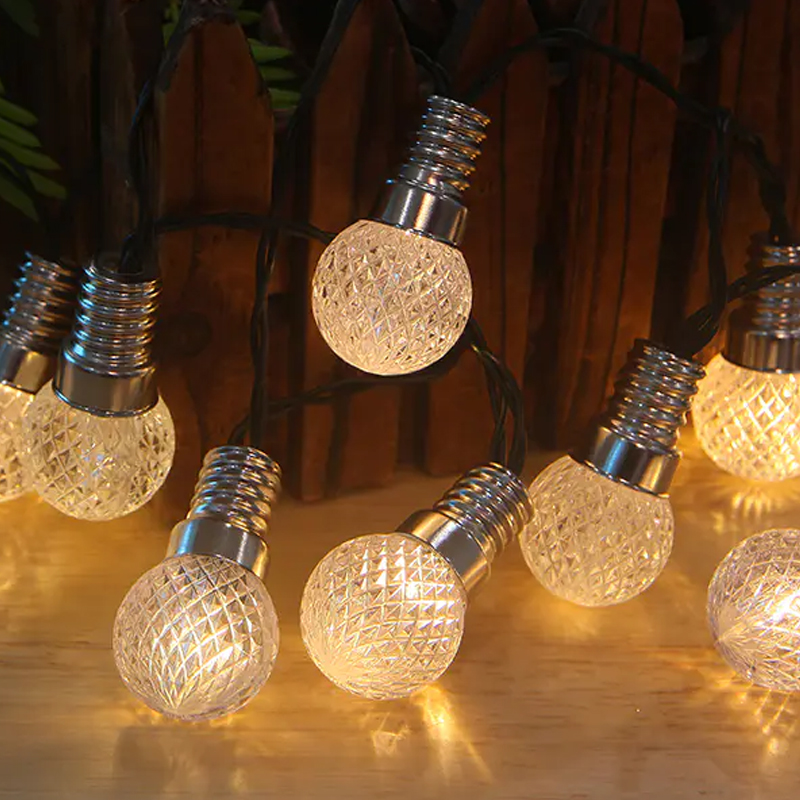 Cherry Shaped LED Battery Holiday LightsThis cherry-shaped LED battery-operated light emits a bright red glow, creating a lively twinkling e...
 -
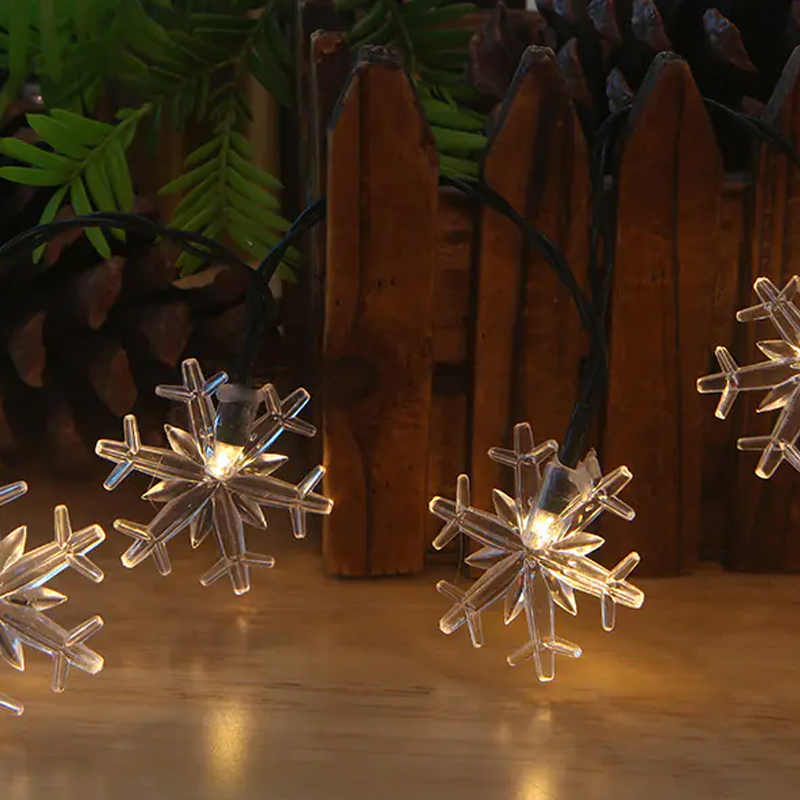 Snowflake Shaped LED Battery Holiday LightsSnowflake-shaped LED battery-operated lights create delicate winter patterns, producing uniform ligh...
 -
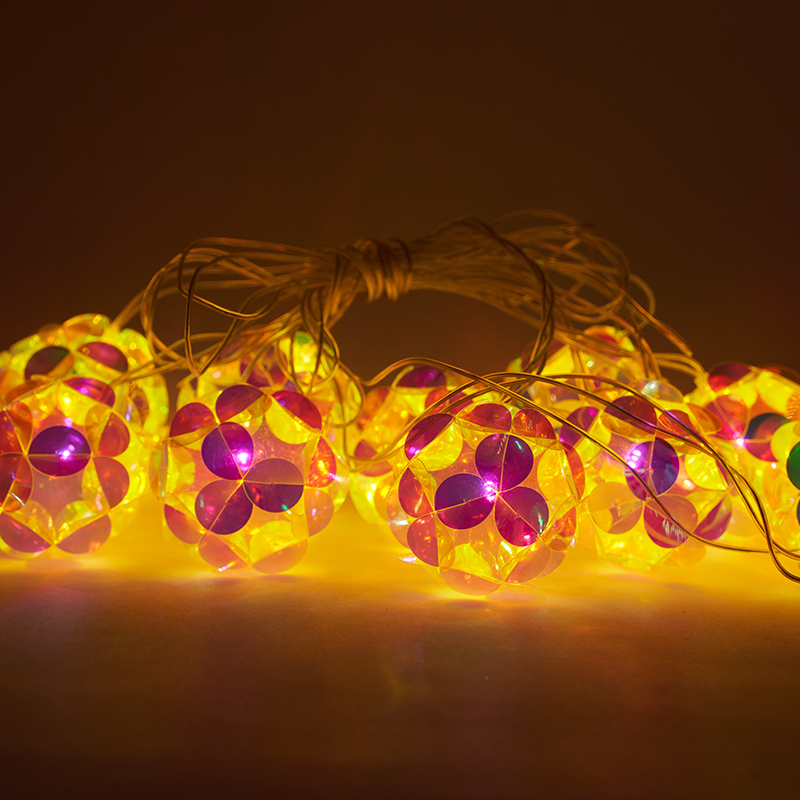
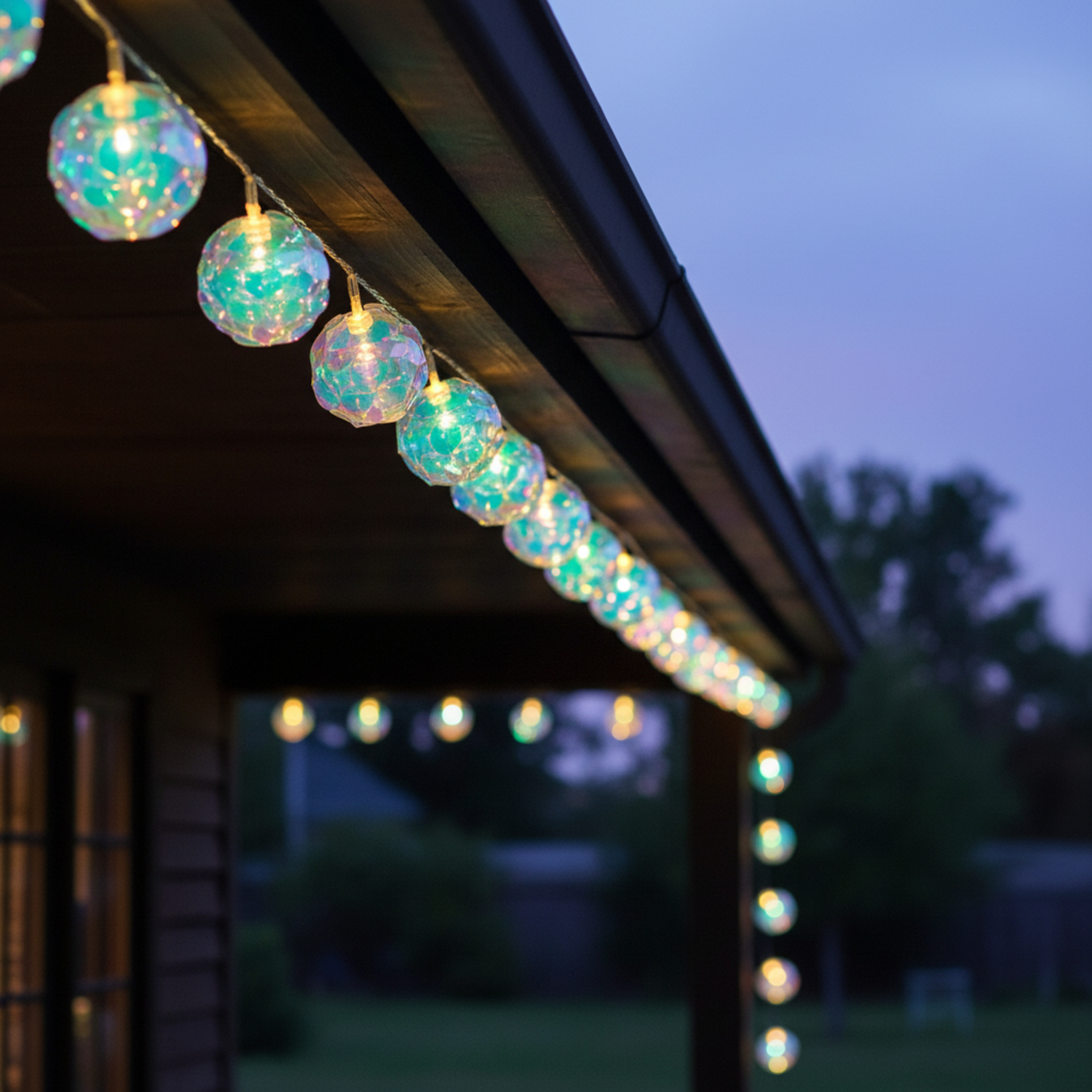 Flower LED 10 Battery Holiday Light SetThis 10-LED battery-operated flower-shaped garland light set features translucent flower-shaped LED ...
 -
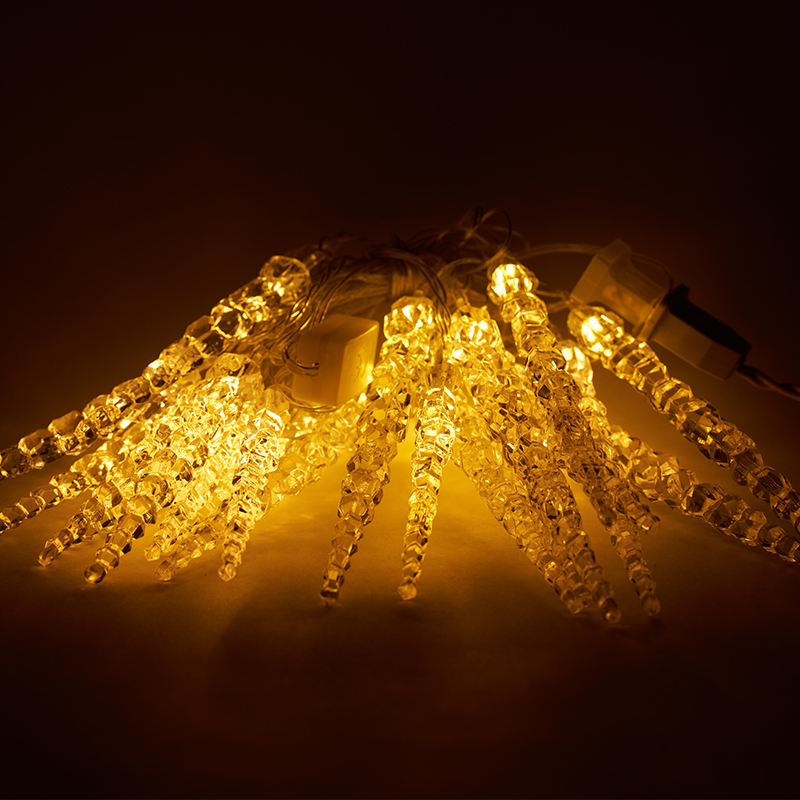
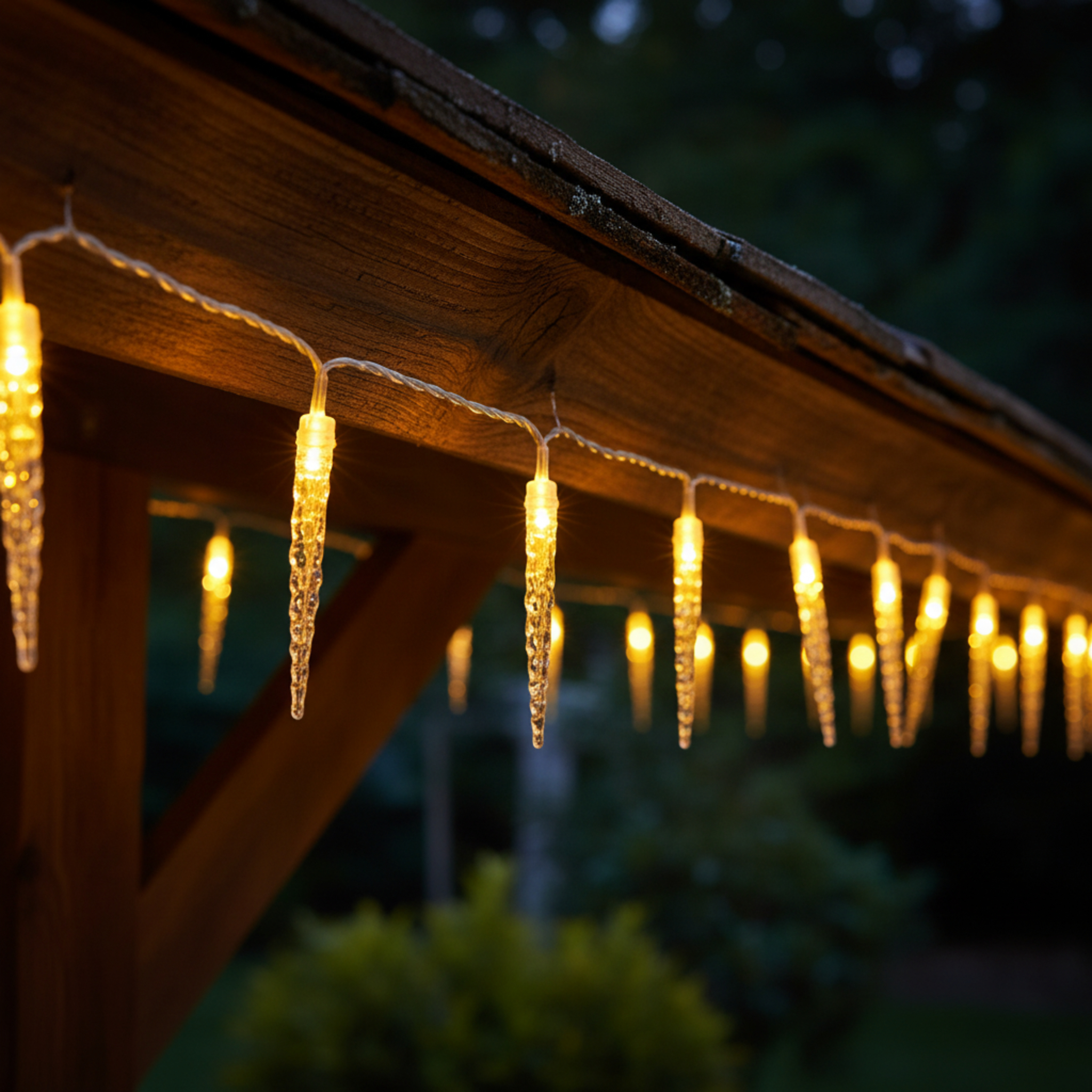 Icicle Shape LED 10 Battery Holiday Light SetThis 10-LED battery-operated holiday light set, shaped like icicles, replicates the natural cascadin...
 -
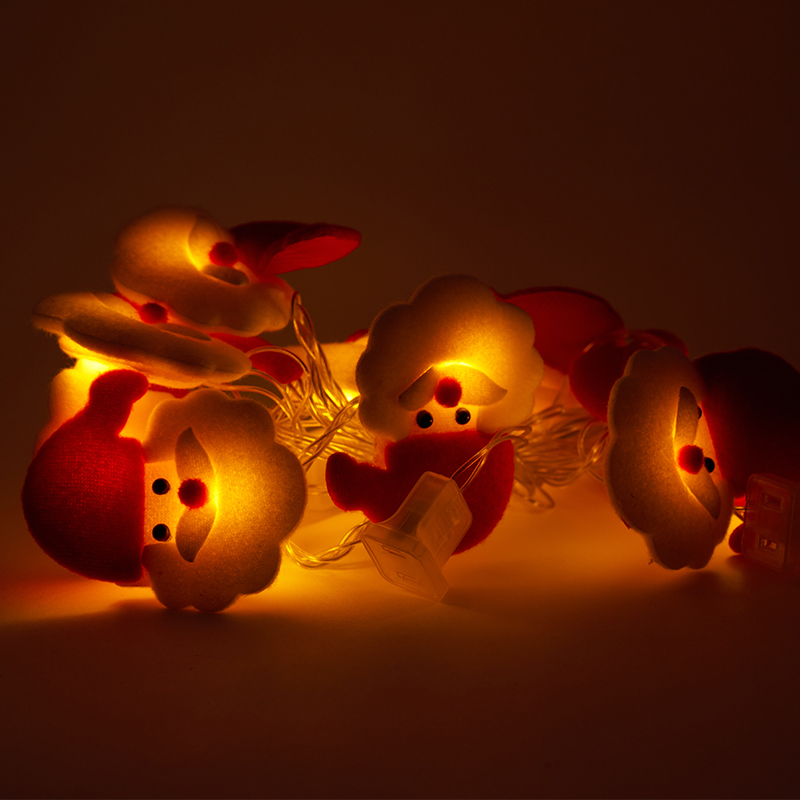
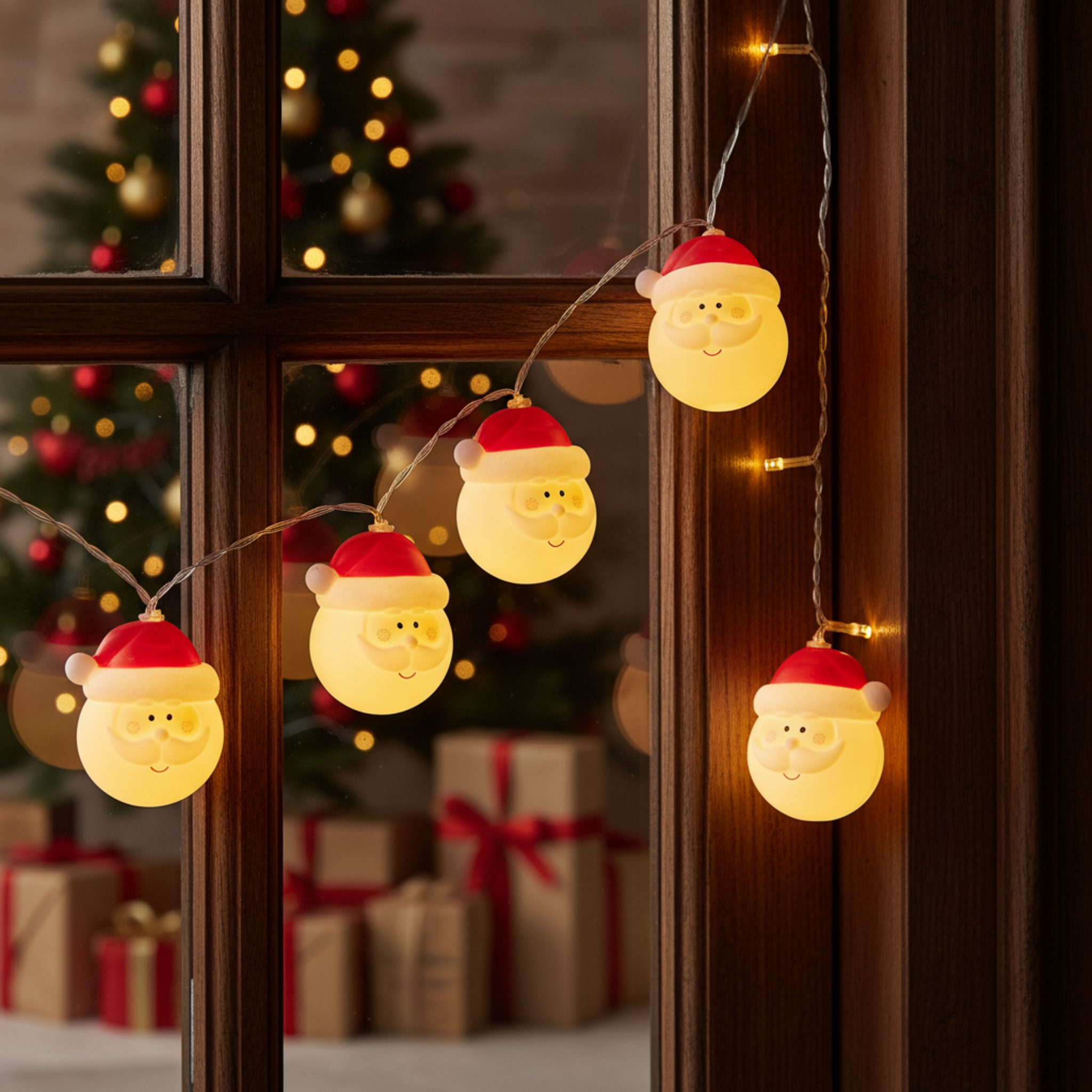 Santa LED 10 Battery Holiday Light SetThis Santa Claus-themed 10-LED battery-operated holiday light set features an adorable Santa Claus d...