

 中文简体
1000 Flexible PP Wire LED Lights with Durable Flat Cable: A Complete Guide to Versatile Decorative Lighting
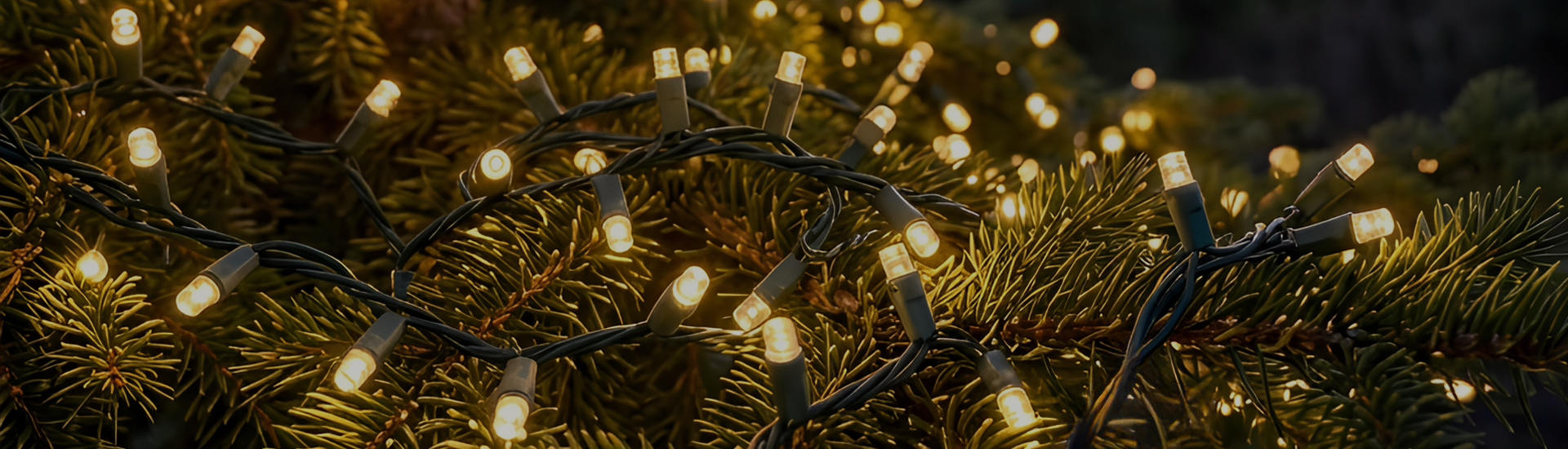
Modern decorative lighting is expected to do much more than simply illuminate a space. It must create atmosphere, support visual design, withstand repeated handling, adapt to different installation environments, and operate efficiently for long periods. The 1000 Flexible PP Wire LED Lights with Durable Flat Cable are designed to meet these requirements through a combination of high-density LED illumination, flexible construction, a sturdy flat-cable format, and broad indoor and outdoor usability.
With 1000 LED lights distributed across a 10-meter length and a rated power of 8.4 watts, this product offers an effective balance between visual impact and energy consumption. Its flexible PP wire can be bent, twisted, wrapped, coiled, or shaped according to the needs of a project. At the same time, the flat cable design provides a stable structure that is easier to arrange and secure than many conventional round-wire light strings.
This combination makes the product suitable for holiday displays, retail windows, hospitality projects, weddings, parties, residential interiors, garden paths, wall decorations, and commercial installations. It can be used as a continuous line of light, formed into creative three-dimensional shapes, or wrapped around frames and architectural elements. Available in warm, cool, or multi-bulb color options, the light set can be selected to match different themes and environments.
Product Overview and Core Specifications
The product belongs to the LED Copper Wire Light category, although its construction also includes PP, PVC, copper, and LED components. The flexible PP wire serves as the visible and formable support structure, the copper conductor carries electrical current, PVC contributes insulation and protection, and the LED beads provide the light output.
| Product Name | 1000 Flexible PP Wire LED Lights with Durable Flat Cable |
| Product Category | LED Copper Wire Light |
| Primary Materials | PP, PVC, Copper, and LED components |
| LED Quantity | 1000 LED lights |
| Total Length | 10 meters |
| Power Rating | 8.4 watts |
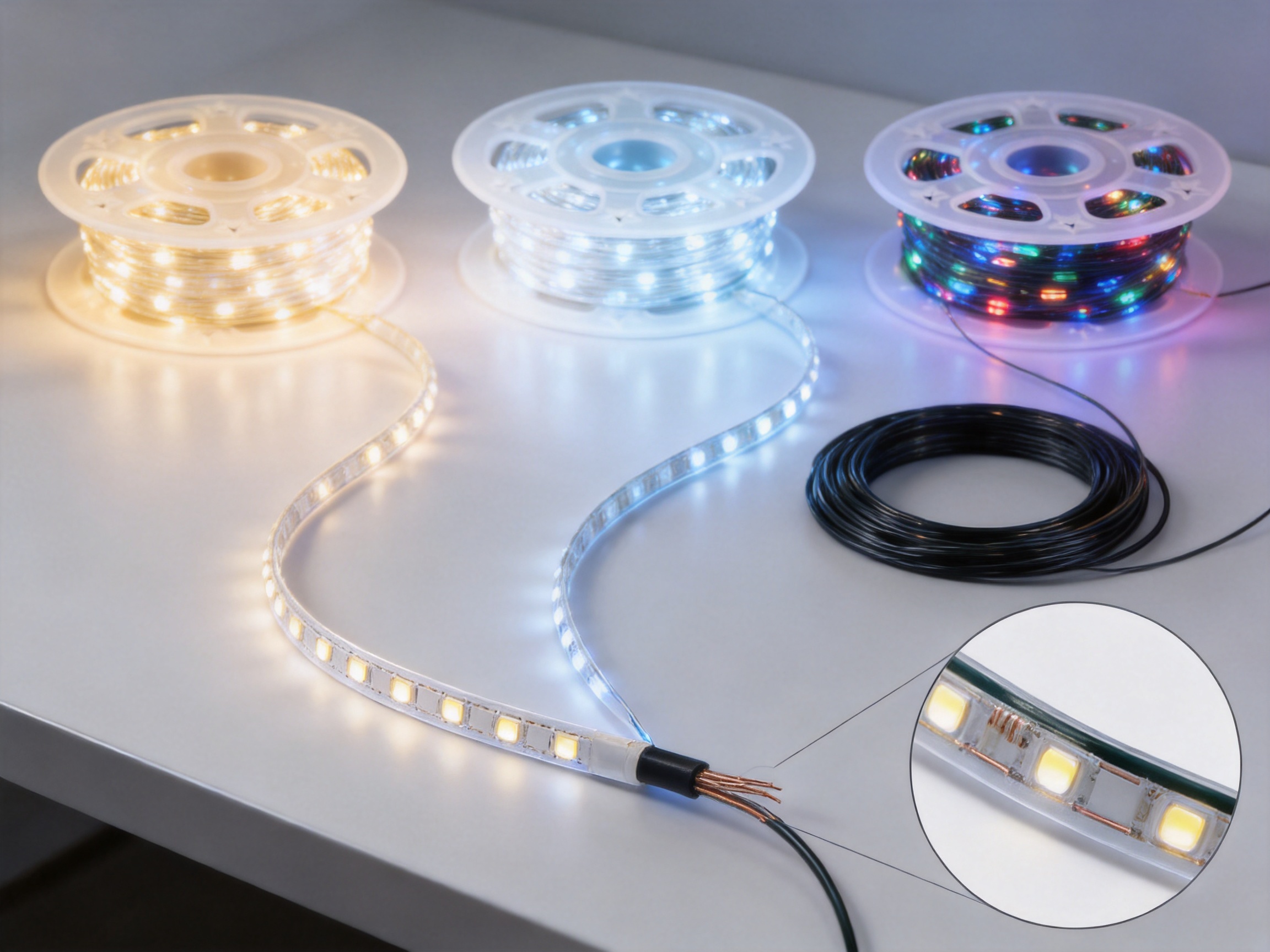
| Available Color Options | Warm, cool, or multi-bulb |
| Suitable Applications | Indoor and outdoor decorative lighting |
| Structural Feature | Flexible PP wire with a durable flat cable design |
The specification of 1000 LEDs across 10 meters creates a dense and consistent lighting effect. Rather than leaving large dark spaces between individual light points, the high number of LED beads helps produce a fuller appearance. This is especially valuable when the product is installed in a shop window, wrapped around a display, placed across a wall, or used to outline a decorative structure.
The 8.4-watt power rating is another important feature. For a product containing 1000 LED lights, this power level supports energy-conscious decorative lighting. It allows users to create a bright and visually rich display without relying on the high energy consumption associated with older lighting technologies. Lower power consumption can be particularly beneficial when multiple strings are used together in commercial spaces or seasonal installations.
Why Flexible Wire Matters in Decorative Lighting
Traditional decorative light strings are often designed primarily as straight lines. They may work well when placed along a roof edge, curtain rod, or simple border, but they can be difficult to adapt to irregular shapes. A flexible PP wire light is designed with creative installation in mind. It can follow curves, loops, spirals, arches, waves, and other forms without requiring complicated structural adjustments.
The flexibility of this product is useful for both professional decorators and ordinary users. A professional display designer can use it to develop layered visual compositions, while a homeowner can wrap it around a mirror, headboard, banister, plant support, or seasonal decoration. Because the wire can be bent and repositioned, one light set can be used for multiple occasions and layouts.
Flexibility also helps the light follow the natural contours of objects. When decorating a tree branch, sculpture, railing, window frame, or curved display fixture, a rigid light string may pull away from the surface or require extra clips. The PP wire can be guided around the object more naturally, helping the finished installation appear intentional and integrated.
Another benefit is the ability to create dimensional lighting. A single line of lights can be formed into letters, outlines, geometric patterns, decorative motifs, or free-form shapes. When suspended or arranged at different depths, the light can also create a three-dimensional effect. This supports more expressive designs than a standard straight string light can typically deliver.

1000 Flexible PP Wire LED Lights with Durable Flat Cable
Advantages of the Durable Flat Cable Structure
The flat cable design provides a valuable combination of flexibility and stability. Some highly flexible decorative wires are thin and difficult to control during installation. They may twist unpredictably, slide out of position, or become difficult to organize when used over a large area. A flat cable gives the product a more defined profile, helping it remain easier to lay, position, and secure.
Because the cable is flat, it can sit more closely against desktops, walls, frames, panels, and other surfaces. This can reduce unwanted gaps between the light and the installation area. A closer fit generally produces a cleaner visual result, especially when the cable is being used to outline a structure or create a continuous illuminated border.
The flat profile can also make the product easier to manage during storage and transportation. Light sets can be arranged in orderly coils rather than being left in loose, tangled bundles. Properly coiling the product after use helps reduce stress on the wire and makes it easier to prepare for the next installation.
Durability is another central advantage. The supplied product information describes the flat cable as sturdy and suitable for long-term reliability in both outdoor and indoor decorative use. A durable cable is especially important for seasonal displays, rental decorations, retail installations, and projects where the product may be handled, installed, removed, and stored repeatedly.
The flat structure also gives installers a practical surface for fixing the light set. Depending on the application, it may be secured using clips, ties, adhesive accessories, hooks, or other suitable installation hardware. Its defined form makes it less likely to roll or rotate continuously during installation, helping the installer achieve a more consistent layout.
High-Density LED Illumination
The presence of 1000 LED beads across a 10-meter length is one of the product’s most important visual characteristics. High-density illumination is useful when a display needs a rich, continuous, and eye-catching appearance. It can help fill an area with light instead of producing only widely spaced points.
LED technology offers several advantages for decorative applications. LED beads are energy-efficient, have a long operating life, and generally generate little heat compared with many traditional incandescent light sources. These qualities make them appropriate for extended decorative use, particularly when lights are installed near fabrics, paper decorations, display materials, wood surfaces, or indoor furnishings.
Low heat generation does not eliminate the need for responsible use. Installers should still follow the product’s operating guidance, keep electrical connections protected, avoid covering the lights with materials that restrict ventilation, and inspect the set before use. Nevertheless, the low-heat nature of LED illumination provides an important practical advantage for creative displays.
The dense arrangement of light points can also improve the visual quality of photographs and video. Retailers, event organizers, restaurants, and hospitality venues often use decorative lighting as part of the visual identity of a space. A fuller light pattern can create a more polished background for product photography, celebrations, social media content, and customer experiences.
Warm, Cool, and Multi-Bulb Color Choices
The product is available in warm, cool, or multi-bulb color options. This range allows the same basic lighting platform to serve different design objectives.
Warm light is commonly selected for comfortable, welcoming, and traditional atmospheres. It can complement wood, natural materials, fabric decorations, dining areas, bedrooms, seasonal displays, and hospitality environments. Warm illumination is especially suitable for creating a cozy visual mood during winter holidays, weddings, family events, and evening gatherings.
Cool light produces a cleaner and more contemporary appearance. It may be selected for modern retail displays, winter-themed decorations, minimalist interiors, event backdrops, and architectural outlines. Cool light can also help emphasize white, silver, blue, or transparent decorative materials.
Multi-bulb color arrangements provide greater visual variety. They can be used for celebrations, festive displays, children’s areas, entertainment venues, holiday events, and colorful retail presentations. A multi-color light set can become a strong focal point, particularly when arranged in a repeated pattern or combined with reflective surfaces.
Color selection should be based on the surrounding environment, the purpose of the display, and the intended emotional effect. Warm light may be ideal for relaxation, while cool or multi-color light may be better suited to energetic, modern, or playful settings. Offering these options enables buyers to select a product configuration that fits the project without changing the underlying installation concept.
Indoor and Outdoor Decorative Use
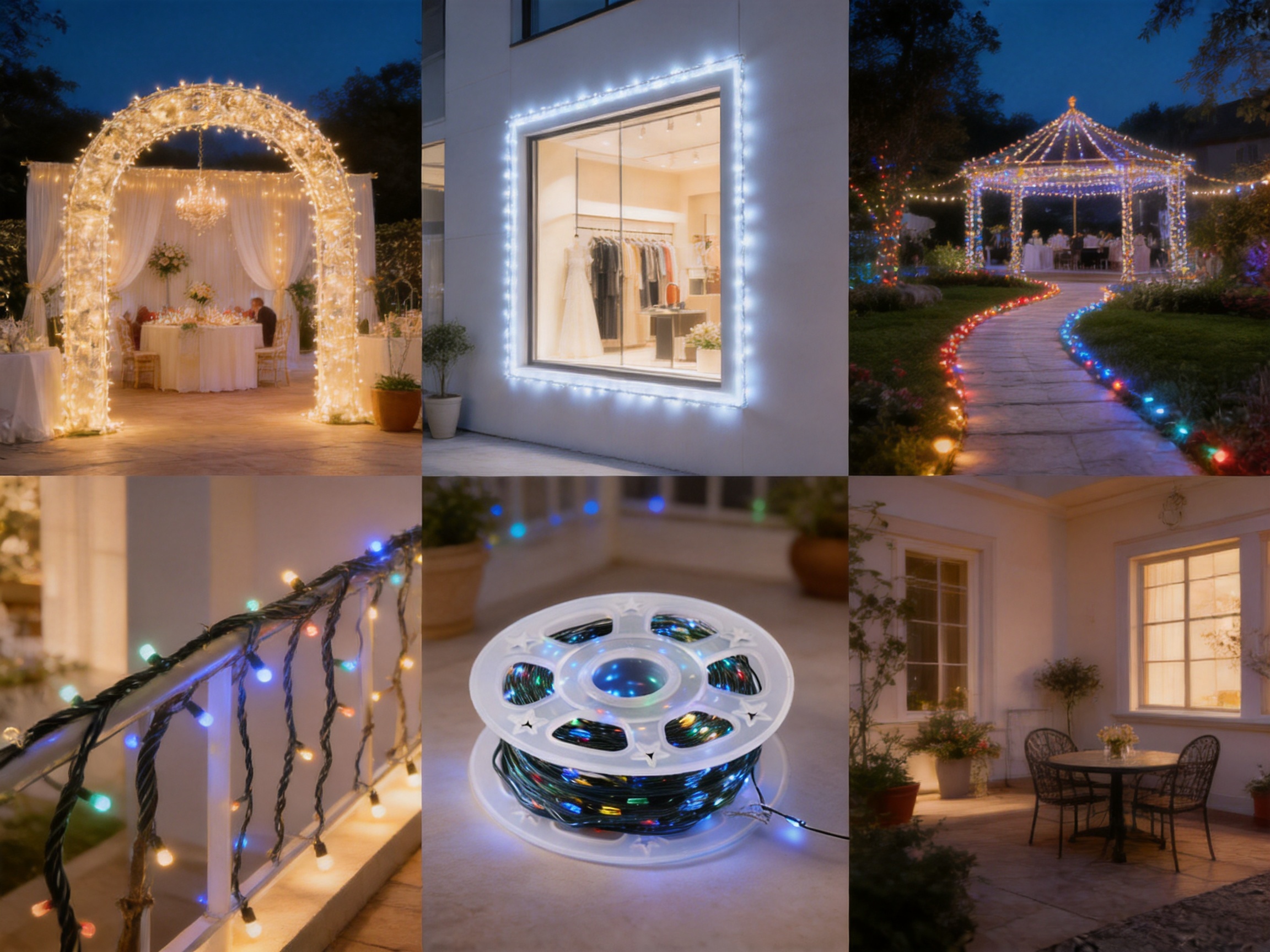
The product is designed for flexible use in indoor and outdoor decorative environments. Indoors, it can be installed on walls, windows, shelves, tables, furniture, display panels, ceilings, and architectural features. Outdoors, it can be used around garden paths, entrance areas, landscape elements, temporary event structures, and selected exterior surfaces.
Indoor applications are often focused on atmosphere and detail. A line of lights can be placed behind a reception desk, around a mirror, along a window frame, across a backdrop, or beneath a shelf. The flexible form allows the product to add illumination without requiring a major redesign of the room.
Outdoor applications often require greater attention to installation conditions. The lights should be placed in a manner consistent with their intended use, and electrical connections should be protected from water, standing moisture, and mechanical damage. Outdoor installations should also be checked periodically for loose fasteners, abrasion, accidental cuts, or exposure beyond the product’s operating specifications.
For garden paths, the light can be arranged along borders or around decorative structures to provide visual guidance and atmosphere. It can also be wrapped around selected landscape elements, provided that the installation does not create a tripping hazard or place excessive stress on the cable.
In commercial settings, the product can support seasonal campaigns and temporary displays. Retailers can use it to highlight entrances, windows, mannequins, shelves, or promotional areas. Restaurants and hotels can use it for dining environments, event spaces, terraces, and reception areas. Because it is easy to reshape, the same light set can be adapted to different campaigns throughout the year.
Creative Applications for Homes and Events
At home, the 1000-light product can be used to create a decorative focal point without requiring permanent electrical remodeling. It can be positioned around a television wall, headboard, bookcase, staircase railing, balcony, or seasonal tree. Its ability to form curves and wraparound shapes makes it suitable for both large and small spaces.
For parties, the light can be arranged around a buffet table, entrance arch, photo wall, stage, bar area, or seating zone. A dense line of LED beads helps create a strong background effect, while the flexible cable makes it easier to follow the contours of event furniture and temporary structures.
Wedding applications may include backdrops, aisle decorations, floral structures, arches, table installations, and reception signage. Warm light is often appropriate for romantic settings, while multi-color versions may be selected for more energetic celebrations. Since the product can be shaped into curves and outlines, it can contribute to personalized initials, symbols, borders, and decorative patterns.
Holiday decorating is another major application. The light can be wrapped around Christmas trees, wreaths, stair rails, windows, door frames, balconies, and outdoor garden elements. Its dense LED arrangement can help create a fuller holiday presentation with fewer visible gaps.
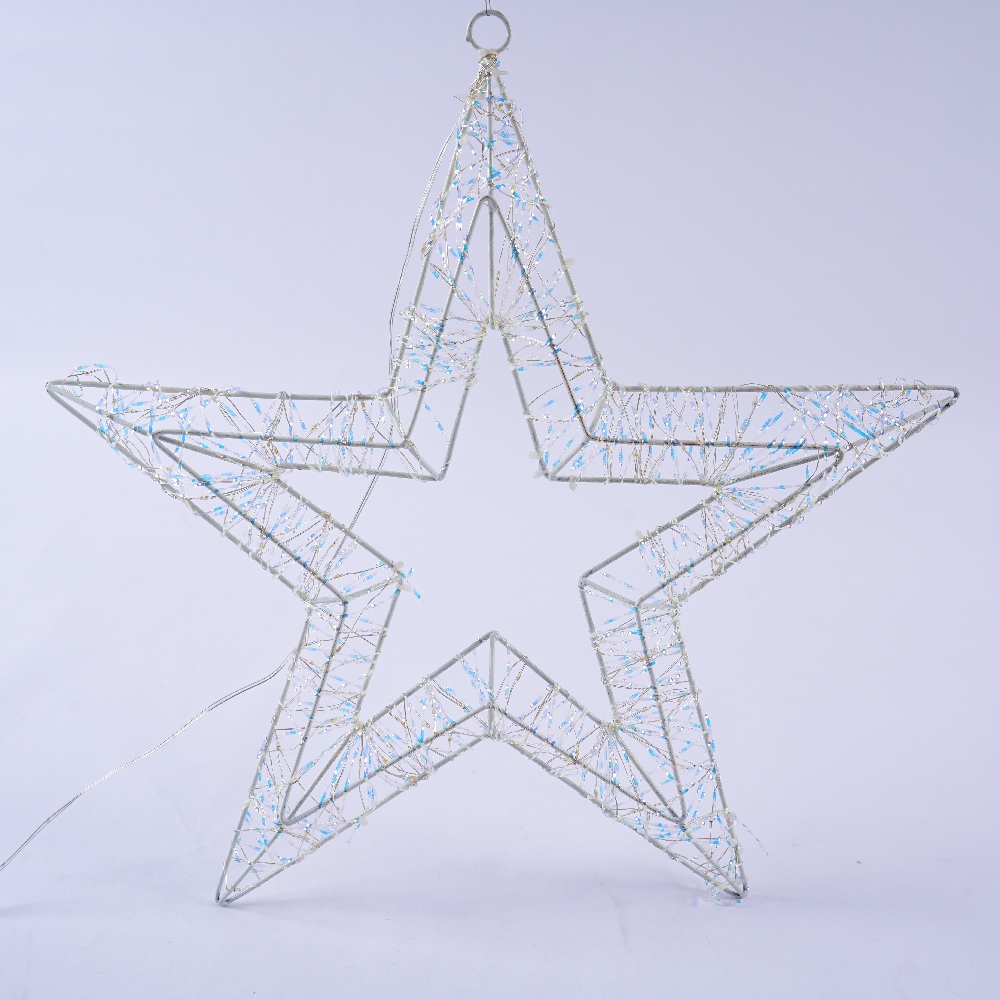
For creative projects, users can form the wire into abstract shapes, stars, spirals, letters, or geometric outlines. The result can be used as a decorative sculpture, a photographic prop, a shop sign accent, or a feature within a themed installation. The product’s flexibility encourages experimentation while its flat cable structure helps keep the final shape controlled.
Comparison with Conventional Decorative Light Strings
Compared with conventional low-density light strings, this product offers a greater number of LED points over a relatively compact length. A standard light string may be suitable for simple outlining, but it can appear sparse when used as a central decorative feature. The 1000-light format is better suited to projects that require visual fullness and strong illumination density.
Compared with rigid light bars or fixed decorative panels, the flexible PP wire can be adapted to irregular surfaces and changing layouts. Rigid products may provide a neat appearance in standardized installations, but they are less useful when a designer wants to follow curves, create spirals, or adjust the shape to a particular space.
Compared with very thin unstructured wire products, the durable flat cable provides improved handling and positioning. Extremely thin wires may be easy to bend but can be harder to arrange evenly and secure reliably. The flat structure supports more controlled installation while retaining substantial flexibility.
Compared with incandescent decorative lights, LED technology provides lower energy consumption, lower heat generation, and longer service potential. These advantages are especially relevant for commercial users who operate multiple displays or keep lighting active for extended periods.
| Feature | 1000 Flexible PP Wire LED Lights | Conventional Low-Density String | Rigid Light Bar |
| Light Density | 1000 LEDs over 10 meters | Typically lower | Fixed by panel or bar design |
| Shape Flexibility | Can bend, twist, coil, and wrap | Usually moderate | Limited |
| Surface Adaptability | Suitable for curved and irregular surfaces | Suitable mainly for simple layouts | Best for flat, planned surfaces |
| Cable Handling | Durable flat cable structure | Varies by product | Usually rigid or semi-rigid |
| Energy Profile | 8.4 watts | Varies by design | Varies by design |
| Creative Potential | High | Moderate | Low to moderate |
These comparisons do not mean that one lighting format is suitable for every project. Rather, they show why flexible, high-density LED wire is particularly valuable when visual richness, adaptability, and repeated creative use are important purchasing criteria.
Manufacturing Materials and Component Integration
The product uses PP, PVC, copper, and LED components in an integrated construction. Each material contributes a specific function to the finished light set.
Polypropylene, commonly known as PP, is used for its light weight and flexibility. It can support the creation of a wire that is easy to bend and shape while remaining suitable for repeated decorative handling. The material helps the product maintain a practical balance between flexibility and structural form.
PVC contributes insulation and protective performance around electrical elements. In a decorative light product, insulation is important for helping separate conductive components from users and surrounding materials. It also contributes to the durability of the cable when the product is arranged, fixed, removed, and stored.
Copper is used as the conductive material because it efficiently carries electrical current through the lighting system. Reliable electrical conduction helps the LED beads operate consistently along the length of the product. Proper component assembly and connection control are essential to achieving stable performance.
LED components provide the light source. Their energy-efficient operation and low heat generation support the product’s suitability for extended decorative use. The integration of these materials requires consistent manufacturing control, because the final product must combine mechanical flexibility, electrical reliability, visual uniformity, and appropriate insulation.
Advanced Manufacturing Capabilities
The manufacturer, Taizhou Mingde Decorative Lighting Co., Ltd., has an annual production capacity of 10 million strings of festive lights. This scale indicates the ability to support substantial seasonal demand, commercial orders, export programs, and large project requirements. High production capacity is particularly important in the decorative lighting industry, where buyers often need products within fixed holiday, retail, or event schedules.
The company was founded in 1968 and was formerly part of Zhejiang Festival Lighting General Factory. Its long history in the festive lighting sector provides experience in product development, component management, production organization, and market requirements. A company with decades of industry involvement is better positioned to understand the practical challenges associated with seasonal lighting, export packaging, product consistency, and large-volume supply.
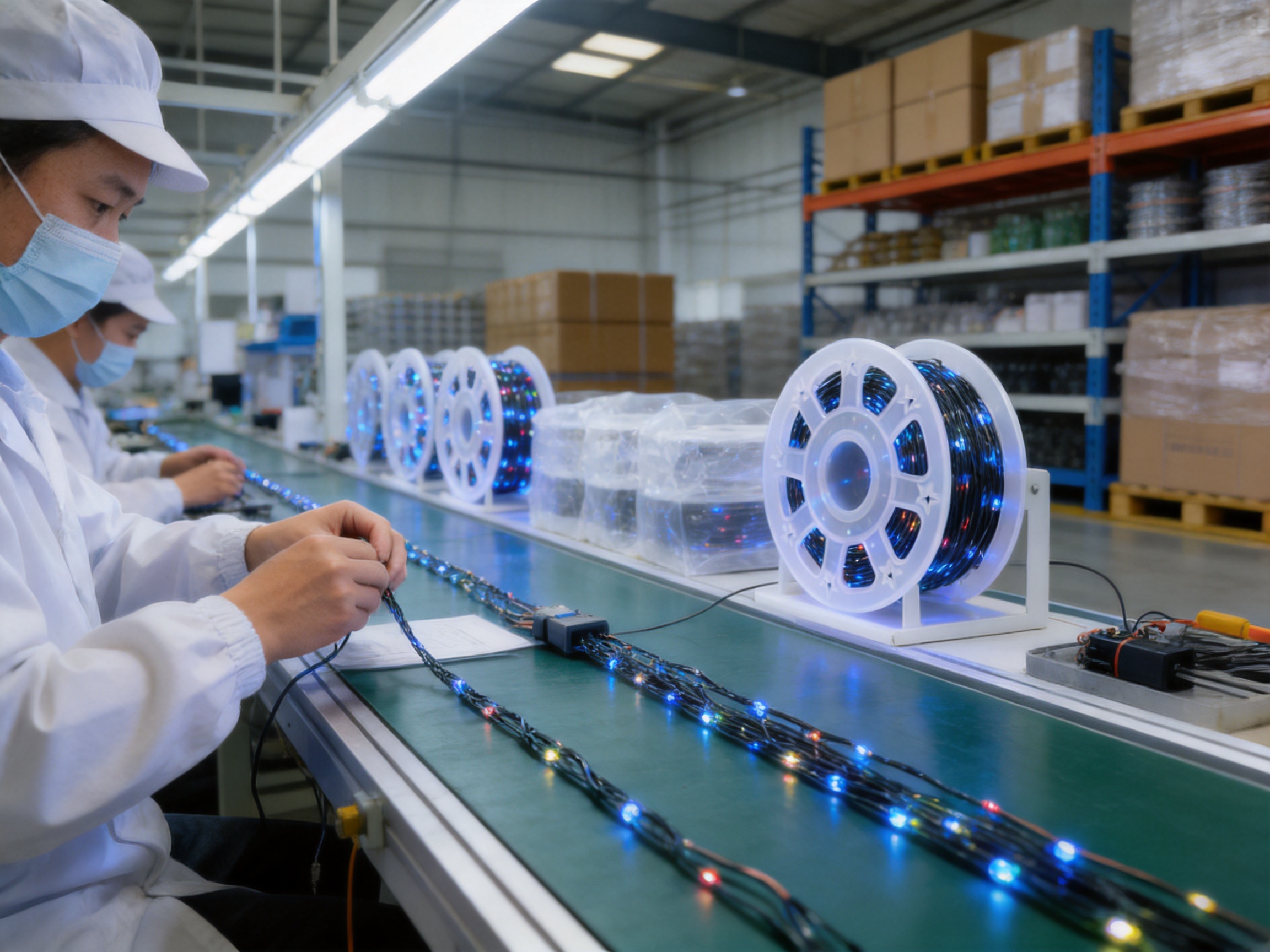
The manufacturing operation is described as integrated and standardized, with quality control extending from component manufacturing through final assembly and shipment. This approach can provide advantages over fragmented production systems. When more stages are coordinated within one enterprise, it becomes easier to monitor materials, maintain process consistency, trace production issues, and align component specifications with finished-product requirements.
Advanced production equipment supports repeatable manufacturing. In a product containing 1000 LED lights across 10 meters, consistency is important. The spacing, connection, cable formation, insulation, and final appearance must be controlled throughout production. Standardized equipment and defined procedures help reduce variation between batches.
The company established an ISO 9001 quality system in 1997 and was among the first domestic companies in the industry to obtain United States UL certification, according to the supplied company information. These milestones reflect a long-term focus on formal quality management and market compliance. Buyers should still confirm the specific certifications and applicable standards for the exact product configuration and destination market before placing an order.
Quality Control from Components to Shipment
Quality control in decorative lighting begins with incoming materials. PP, PVC, copper, LED beads, connectors, and related components should be checked against approved specifications. Material consistency can affect flexibility, insulation, conductivity, appearance, and service performance.
During assembly, production controls may focus on conductor placement, LED connection, bead spacing, cable formation, insulation coverage, and mechanical integrity. A high-density product requires precise organization because a defect in one section can affect the visual continuity of the entire string.
Electrical and visual inspection are both important. Electrical inspection helps identify open circuits, unstable connections, irregular current behavior, or other faults. Visual inspection can reveal uneven spacing, damaged insulation, poorly formed sections, color inconsistency, or surface defects. These inspections contribute to a more reliable finished product.
Final assembly and shipment controls are also essential. The light sets should be organized, packaged, and protected against unnecessary bending or impact during transportation. Correct labeling and orderly packing help distributors and commercial buyers receive the correct configuration, color option, and quantity.
For large orders, buyers may also request pre-shipment inspection, sample approval, packaging confirmation, and production documentation. These procedures can be particularly useful for retailers, importers, event companies, and project contractors managing multiple product variations.
Benefits for Wholesale and Commercial Buyers
Wholesale buyers often need more than an attractive product. They require reliable supply, consistent specifications, efficient communication, appropriate packaging, and the ability to support repeat orders. The manufacturer’s high annual production capacity is relevant because it suggests the infrastructure to serve larger purchasing programs.
The product’s broad application range can simplify inventory planning. A flexible 1000-light product can be sold for holiday decorating, event use, retail display, hospitality projects, and residential applications. Offering warm, cool, and multi-bulb options allows distributors to address multiple customer preferences while retaining a common product platform.
The product is also suitable for project-based sales. Event companies may use it for temporary installations, while retailers may purchase it for seasonal windows and promotional displays. Interior decorators, wedding planners, garden designers, and hospitality operators can use the light set as part of customized lighting packages.
Its compact power rating may be attractive to commercial users managing operating costs. When several strings are used simultaneously, energy efficiency becomes more significant. Lower power consumption can help support long operating hours while reducing the electrical load of a display.
For importers and distributors, the company’s export experience in markets including the United States and Central and South America may be a useful supply-chain consideration. International buyers should confirm packaging, plug type, voltage, certifications, labeling, and regulatory requirements for their destination market before finalizing an order.
Installation Planning and Best Practices
Before installation, users should measure the target area and determine whether one 10-meter light set is sufficient. The dense LED arrangement may cover a border, feature wall, frame, or decorative object, but the required length depends on the desired spacing and shape.
The installation route should be planned before the light is fixed in place. Users can lay the product on the floor or a clean work surface to develop the intended pattern. This reduces unnecessary repositioning and helps prevent sharp bends or accidental pulling.
The cable should be bent smoothly rather than folded sharply. Although the product is designed to be flexible, excessive force at one point may stress the conductors, insulation, or LED connections. Broad curves and gradual loops are generally preferable to tight creases.
Suitable fixing accessories should be selected according to the surface. Clips, ties, hooks, or other non-damaging supports can help hold the flat cable in place. Installers should avoid puncturing, cutting, crushing, or stapling through the cable unless the product instructions specifically permit a particular method.
For outdoor installations, the power connection should be placed in a protected location. The light set should not be submerged, installed where water accumulates, or exposed to conditions beyond its stated rating. If the installation is temporary, it should be removed promptly after the event or season and stored in a clean, dry place.
After installation, users should inspect the overall layout. The cable should not create a trip hazard, obstruct doors or walkways, contact hot surfaces, or interfere with moving equipment. A well-planned installation improves both safety and visual appearance.
Storage, Maintenance, and Long-Term Use
Proper storage can extend the useful life of decorative lighting. After removal, the product should be cleaned gently if necessary and allowed to dry completely before being packed. It should then be coiled in broad loops without tight knots or sharp folds.
The light set should be stored away from excessive heat, direct sunlight, moisture, chemicals, and objects that could crush or cut the cable. A labeled storage container can help protect the product and make it easier to identify the color and length during the next season.
Before each reuse, users should inspect the cable, LED beads, connectors, and visible insulation. Any signs of damage, exposed conductors, severe deformation, or loose components should be addressed before the product is energized. Damaged electrical products should not be used until they have been properly evaluated or replaced.
Commercial users can benefit from maintaining simple records of installation dates, locations, operating conditions, and inspection results. This is especially helpful when many light sets are used across multiple stores, venues, or seasonal projects.
Design Strategies for Better Visual Results
The product can be used effectively as an outline, accent, texture, or focal point. As an outline, it can define windows, doors, frames, signs, arches, and architectural borders. As an accent, it can highlight shelves, furniture, plants, artwork, or display merchandise.
For a textured effect, the wire can be arranged in overlapping waves, loops, or layered curves. These patterns create depth and can make a simple wall or backdrop appear more dynamic. The flat cable helps maintain better control over the direction of each layer.
For a focal point, the light can be concentrated around a central object such as a tree, sculpture, product display, sign, or event backdrop. The high LED density helps ensure that the feature attracts attention even in a larger room or outdoor space.
Combining lighting with reflective materials can increase the perceived brightness and visual complexity of an installation. Mirrors, metallic surfaces, glass, glossy panels, and translucent fabrics may reflect or diffuse the light. Designers should test combinations in the actual environment because different materials can produce very different effects.
Layering warm or cool light with the surrounding ambient lighting can also change the character of a space. Warm light may blend with wood and soft textiles, while cool light can contrast effectively with dark surfaces or modern materials. Multi-bulb versions can be used as a primary decorative feature rather than a subtle accent.
Environmental and Energy Considerations
Energy-efficient lighting is increasingly important for homes, businesses, and event organizers. The product’s rated power of 8.4 watts supports lower electrical consumption compared with many traditional high-power decorative lighting systems. This can be useful when lights operate for long hours or when multiple sets are installed together.
LEDs also tend to have a longer service life than incandescent bulbs, reducing the frequency of replacement under suitable operating conditions. Fewer replacements can reduce maintenance activity and help lower the material use associated with discarded bulbs.
Responsible use includes selecting the appropriate quantity of lighting, using timers or control systems where suitable, and switching off displays when illumination is not needed. Energy efficiency is most effective when combined with good operating habits and appropriate installation planning.
At the end of the product’s service life, users should follow local procedures for electrical and electronic waste. Components should not be disposed of irresponsibly, particularly when local recycling or collection programs are available.
Company Strengths and Industry Experience
Taizhou Mingde Decorative Lighting Co., Ltd. combines long-term industry experience, substantial manufacturing capacity, formal quality management, and export-market knowledge. The company’s history reaches back to 1968, giving it extensive exposure to changing decorative lighting technologies, customer requirements, and international market expectations.
The reported annual capacity of 10 million strings of festive lights demonstrates the scale of the operation. This capacity can support large seasonal orders and help buyers plan programs that require dependable volume. It also indicates experience in coordinating materials, labor, equipment, inspection, packaging, and shipment on an industrial scale.
The company’s product range includes linear lights, icicle lights, net lights, circular lights, spiral trees, LED string lights, copper wire lights, and cord lights. This broad portfolio suggests that the manufacturer understands multiple decorative lighting formats and can support buyers seeking coordinated product categories.
The company’s stated mission is to deliver nature-friendly home ambient lighting and build a reputable enterprise. Its stated vision is to create a century-old brand that brings warmth to every household. These goals reflect an emphasis on long-term development, product reliability, and the emotional role of decorative lighting in homes and public spaces.
For buyers, a supplier’s strength is not defined only by one product. It also includes the ability to develop related items, maintain consistent quality, communicate clearly, manage export requirements, and provide continuity across future orders. The company’s integrated manufacturing structure and long participation in the festive lighting industry are relevant advantages in this regard.
Purchasing Considerations
When evaluating this product, buyers should first confirm the desired LED color, power requirements, order quantity, packaging format, and intended application. Warm, cool, and multi-bulb versions can create substantially different visual effects, so sample evaluation is recommended for important projects.
Buyers should also clarify the electrical specifications required in the destination market. Plug type, input voltage, controller configuration, connector style, and applicable safety approvals may vary according to region. These details should be confirmed with the supplier before production or shipment.
For outdoor projects, the required protection level and installation conditions should be discussed in advance. Outdoor use may involve rain, humidity, temperature changes, wind, dust, and repeated handling. The product should be selected and installed according to its actual technical documentation rather than assumed conditions.
Commercial purchasers may wish to request product samples, inspection standards, carton dimensions, gross and net weights, lead times, production capacity confirmation, and spare-part or replacement policies. Establishing these details early can reduce uncertainty during large-scale procurement.
Frequently Asked Questions
What makes this product different from an ordinary LED string light?
The product combines a high density of 1000 LED lights with a flexible PP wire and durable flat cable structure. This allows it to produce a fuller lighting effect while remaining suitable for bending, twisting, coiling, wrapping, and creative shaping.
How long is the light set?
The listed length is 10 meters. The actual coverage area depends on how closely the light is arranged and whether it is used as a straight line, outline, spiral, wave, or three-dimensional shape.
How much power does it use?
The listed power rating is 8.4 watts. This relatively low power level supports energy-conscious decorative lighting, although buyers should confirm the complete electrical specifications for the exact configuration and destination market.
What colors are available?
The product is available in warm, cool, or multi-bulb color options. The most suitable choice depends on the desired atmosphere, surrounding materials, event theme, and application environment.
Can the wire be shaped into curves and spirals?
Yes. The flexible PP wire is designed to be bent, twisted, coiled, and wrapped. It can be used to create curved, three-dimensional, or wraparound arrangements, provided that sharp folding and excessive mechanical stress are avoided.
Where can the light be installed?
It can be used on desktops, walls, window frames, garden paths, decorative structures, retail displays, event backdrops, furniture, and many other suitable surfaces. Indoor and outdoor use should follow the product’s technical requirements and installation guidance.
Is the product suitable for commercial projects?
Yes. Its high LED density, flexible design, low power rating, and broad application range make it suitable for retail windows, hospitality spaces, event venues, holiday displays, restaurants, shops, and other commercial environments.
What materials are used?
The listed materials are PP, PVC, copper, and LED components. PP supports flexibility, PVC contributes insulation and protection, copper provides electrical conductivity, and LED components generate the light.
How should the light set be stored?
After use, the product should be switched off, inspected, cleaned carefully if necessary, dried completely, and coiled in broad loops. It should be stored in a dry, protected location away from excessive heat, moisture, direct sunlight, and crushing pressure.
What should wholesale buyers confirm before ordering?
Wholesale buyers should confirm color, length, power, voltage, plug type, connector configuration, packaging, order quantity, delivery schedule, certifications, destination-market requirements, and any requested inspection or customization details.
Conclusion
The 1000 Flexible PP Wire LED Lights with Durable Flat Cable are designed for buyers who need more than a basic line of decorative illumination. Their combination of 1000 LED lights, a 10-meter length, 8.4-watt power rating, flexible PP wire, and durable flat cable structure creates a versatile solution for both creative and practical lighting projects.
The product’s main advantages include high-density illumination, low energy consumption, low heat generation, easy shaping, improved cable handling, and suitability for indoor and outdoor decorative applications. Warm, cool, and multi-bulb options allow it to serve different styles, seasons, environments, and customer preferences.
Its value is further supported by the manufacturer’s long history, annual production capacity of 10 million strings, integrated production system, formal quality management experience, export background, and broad product portfolio. These strengths make the product relevant not only to individual users but also to wholesalers, retailers, event companies, hospitality businesses, and professional lighting distributors.
When installed responsibly and maintained properly, this flexible LED light set can transform ordinary surfaces and structures into visually engaging decorative features. It provides the adaptability needed for creative designs while retaining the durability and production consistency expected from a professional lighting supplier.
References
1. Product specification sheet for 1000 Flexible PP Wire LED Lights with Durable Flat Cable.
2. Manufacturer-provided company profile for Taizhou Mingde Decorative Lighting Co., Ltd.
3. Manufacturer-provided information regarding production capacity, quality systems, product range, and export markets.
4. General principles of LED decorative lighting design, installation, energy efficiency, and maintenance.
5. General guidance for electrical product inspection, safe installation, seasonal storage, and responsible disposal.
Product: 1000 Flexible PP Wire LED Lights with Durable Flat Cable


Don't Miss New Releases & Subscriber Exclusives
Sign up for our newsletter to stay in the holidy spirit all year.
Further Questions? Contact Us
-
Useful Links
Home Products About Us Production Services News Contact Us -
Classification
Mini String Light LED Light Set Garland Light Light-up Spiral Trees LED Curtain Lights Battery Light LED Copper Wire Light Decorative Light -
Contact Info
zd@zflgf.com.cn+86-576-82467401
+86-13968612122 ( Ms. Zhang )
+86-13505747679 ( Mr. Tan )
+86-15062835074 ( Mr. Cheng )No.270 Zhenxi Road, Xinqiao Town, Luqiao District, Taizhou City, Zhejiang Province, China -


Holiday Lights Supplier