

 中文简体

What Should a Decorative Lighting Project Brief Include Before Supplier Selection
A decorative lighting project often begins with an idea: creating an inviting retail display, adding visual interest to a hotel lobby, or preparing an attractive lighting arrangement for a seasonal event. However, turning that idea into a workable purchasing plan requires more than a few reference pictures and an estimated budget. Buyers need to communicate their expectations clearly so manufacturers can evaluate the requirements, recommend suitable configurations, and prepare accurate quotations.
At Mingde, we believe a well-organized project brief makes supplier communication more productive. It gives both parties a shared understanding of the intended application, product specifications, customization requirements, and commercial conditions. Whether a project involves a small decorative installation or a large commercial lighting arrangement, preparing the right information before contacting suppliers can reduce repeated discussions and unexpected changes during procurement.
So, what information should buyers prepare before requesting quotations for decorative lighting solutions? The following sections explain the essential elements of a practical project brief.
1. Define the Project Purpose and Application Environment
The intended application determines many subsequent purchasing decisions. Decorative lighting used in a shopping mall may have different visual and operational requirements from lighting installed in a private garden or hotel reception area.
We recommend describing the project background before discussing specific product models. A useful project description should cover:
- Project type: Commercial decoration, hospitality lighting, residential decoration, retail displays, public events, or seasonal installations.
- Installation location: Indoor areas, outdoor spaces, building facades, gardens, pathways, windows, or ceiling structures.
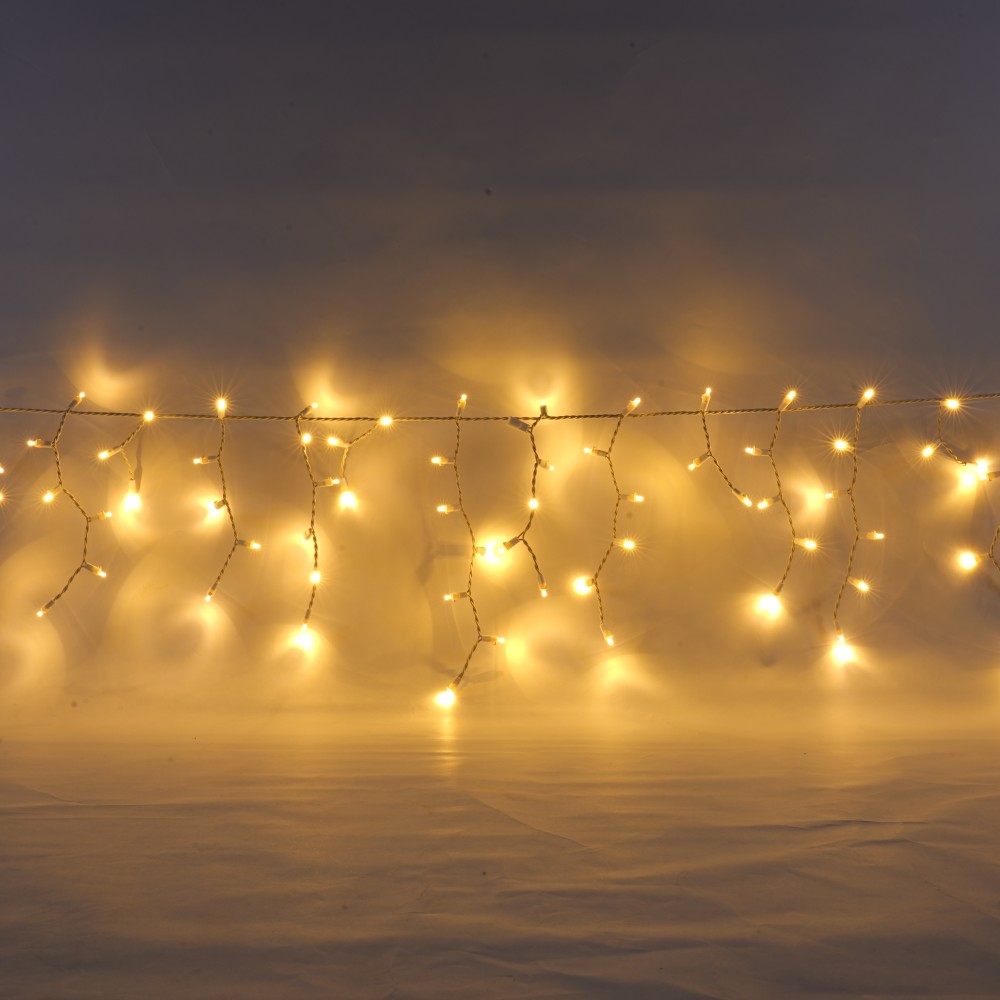
- Intended atmosphere: Warm and welcoming, festive and colorful, contemporary, elegant, or visually dynamic.
- Operating conditions: Daily operating hours, seasonal usage, temporary installations, or year-round operation.
- Target audience: Hotel guests, shoppers, event visitors, residents, or general public audiences.
For example, a hotel entrance decoration project may require warm white lighting with coordinated decorative elements, while a shopping center's holiday display may involve multiple colors, animated effects, and synchronized lighting sequences. These differences help us understand the project's actual requirements rather than making assumptions based on product names alone.
2. Prepare Visual References and Design Expectations
Visual references are particularly useful for decorative lighting projects because appearance can be difficult to explain through written descriptions. Two buyers may describe a design as modern or festive but have completely different expectations regarding shape, brightness, color, and decorative details.
Useful Design Materials to Include
- Reference photographs: Images of similar installations, preferred lighting styles, or existing decorative arrangements.
- Concept drawings: Preliminary sketches, CAD drawings, or 3D renderings showing the intended appearance.
- Color references: Preferred colors for lighting effects, cables, housings, and decorative components.
- Dimensional information: Approximate height, width, diameter, hanging distance, or installation coverage.
- Design restrictions: Elements that must remain unchanged, such as specific shapes, brand colors, or architectural proportions.
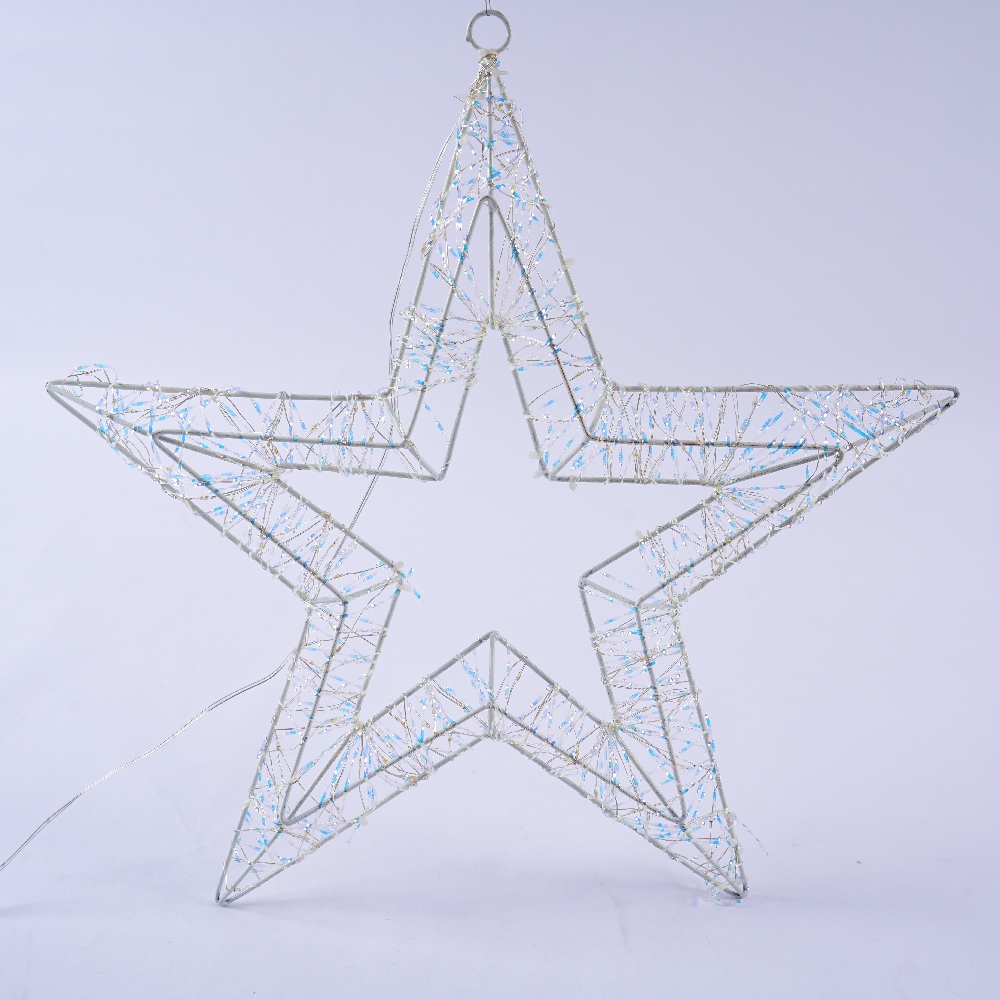
We also suggest separating essential design requirements from optional preferences. For example, a buyer may require a particular star shape and overall height while allowing flexibility in the decorative pattern or cable arrangement. This distinction helps manufacturers identify possible customization options without changing the project's main visual direction.
3. Establish Technical and Electrical Requirements
Appearance is only one part of a decorative lighting specification. Electrical configuration, light output, protection levels, and control methods also affect product compatibility and installation planning.
Buyers do not necessarily need to provide complete engineering documentation at the inquiry stage. However, sharing the available technical information helps us assess the project and identify details that require further confirmation.
Technical Information Worth Including
| Specification | Information to Confirm | Procurement Consideration |
| Input Voltage | 12V, 24V, 110V, 120V, 220V, or 230V AC/DC as applicable | Compatibility with the local electrical supply and power system |
| Rated Power | Wattage per unit or per lighting section | Power consumption and electrical load planning |
| Color Temperature | 2700K, 3000K, 4000K, or other specified values | Consistency of the intended lighting atmosphere |
| Light Source | LED type, quantity, arrangement, and luminous output | Brightness requirements and lighting appearance |
| Protection Rating | Required IP rating according to the installation environment | Resistance to dust and water exposure |
| Control Method | On/off, dimming, timer, remote control, or programmable effects | Compatibility with the intended operating system |
| Cable Configuration | Cable length, connector type, spacing, and wiring arrangement | Installation layout and electrical connection planning |
For outdoor installations, environmental protection deserves particular attention. An IP44-rated product, for example, provides protection against solid objects larger than 1 mm and water splashing from any direction. Projects exposed to heavier rain or more demanding conditions may require a different protection level. The appropriate rating should be confirmed against the actual installation environment and applicable product requirements.
Another consideration is the lighting control system. Some commercial projects require steady illumination, while others use flashing, fading, chasing, or programmable effects. Buyers should identify these expectations early, especially when multiple lighting sections need coordinated operation.
4. Provide a Product Schedule and Estimated Quantities
A project involving several decorative lighting products should have a basic product schedule. Without this document, suppliers may interpret the same project description differently, making quotation comparisons difficult.
We recommend organizing the requested items by product type, installation area, dimensions, and estimated quantity.
| Product Reference | Application Area | Required Dimensions | Estimated Quantity | Customization Notes |
| DL-01 | Main Entrance | 1800 × 1200 mm | 2 Sets | Custom decorative shape |
| DL-02 | Shopping Display | 600 × 400 mm | 20 Sets | Warm white LED |
| DL-03 | Outdoor Garden | 10 m per section | 50 Sections | Outdoor-rated construction |
The dimensions and quantities above are illustrative examples rather than standard product specifications. Buyers should replace them with actual project data.
Additional Quantity Information
- Separate standard products from customized items.
- Identify the estimated quantity for each model rather than providing only a combined project quantity.
- Indicate whether products will be purchased in one batch or across several project phases.
- List accessories, connectors, power supplies, mounting brackets, and replacement components where required.
This information allows us to review the product scope more clearly and identify whether different lighting models can share compatible electrical accessories or installation components.
5. Set a Realistic Budget and Commercial Scope
Budget information helps define the purchasing direction. Buyers do not need to disclose every internal financial detail, but providing an approximate spending range can make technical discussions more focused.
A decorative lighting project budget should consider more than the unit price. Depending on the project scope, additional expenses may include:
- Product manufacturing and customization costs.
- Special molds, tooling, or decorative structure development.
- Power supplies, controllers, connectors, and other accessories.
- Product testing, certification, and inspection expenses.
- Export packaging, transportation, and insurance.
- Installation materials and replacement components.
We encourage buyers to clarify which costs should be included in the supplier's quotation. For example, does the requested price cover individual lighting units only, or should it also include controllers, extension cables, and customized packaging?
Clear commercial boundaries make it easier to compare quotations on an equivalent basis. They also help both parties identify possible cost adjustments without compromising essential technical requirements.
6. Identify Target Market and Compliance Requirements
Decorative lighting products may be distributed across different international markets, each with its own electrical safety and regulatory requirements. A project intended for the United States may require different documentation from one designed for European distribution.
Buyers should specify the destination country and any known compliance requirements in the project brief.
| Market or Requirement | Possible Standards or Documentation | Information to Confirm |
| United States | UL or ETL certification/listing, as applicable | Product category, applicable standard, and certification scope |
| European Union | CE conformity documentation and applicable directives | Applicable electrical, EMC, and other regulatory requirements |
| Environmental Compliance | RoHS documentation, where applicable | Material restrictions and supporting declarations |
| Outdoor Applications | Relevant IP testing documentation | Required protection level and test evidence |
Certification requirements should be verified against the exact product configuration and destination market. A general statement that a supplier offers certified products is not a substitute for checking the relevant model, documentation, and certification scope.
At Mingde, we recommend discussing these requirements during the quotation stage rather than treating them as paperwork to be arranged after product approval.
7. Clarify Project Schedule, Samples, and Delivery Arrangements
A purchasing brief should also explain the project's expected milestones. Decorative lighting projects often involve several stages, including design confirmation, sample review, specification approval, production, inspection, and shipment.
Buyers should provide the following scheduling information:
- Quotation submission deadline.
- Expected sample completion date, where sampling is required.
- Design and technical approval deadlines.
- Target shipment date and required arrival date.
- Project installation or seasonal opening date.
- Delivery destination and preferred shipping arrangement.
Sample approval is especially important for customized decorative products. A physical sample can help buyers examine color consistency, structural details, surface finishes, brightness, cable arrangements, and connector compatibility before confirming a larger order.
We also recommend documenting the approved sample specifications. Any subsequent modification to dimensions, materials, electrical components, or appearance should be recorded and reviewed before production continues.
8. Evaluate Suppliers Beyond the Quoted Price
A clear project brief provides a common reference for evaluating potential manufacturing partners. However, the purchasing decision should also consider whether a supplier can support the technical and commercial requirements throughout the project.
At Mingde, we suggest reviewing several areas during supplier discussions:
- Product experience: Ask about previous work involving similar decorative structures, lighting applications, or customization requirements.
- Technical communication: Check whether the supplier can explain electrical configurations, product materials, and installation-related details clearly.
- Quality documentation: Request relevant inspection records, testing information, and product compliance documents.
- Customization support: Discuss available options for dimensions, colors, structures, lighting effects, and packaging.
- Production planning: Confirm production arrangements, sample procedures, inspection stages, and shipment coordination.
- After-sales arrangements: Clarify warranty coverage, spare-part availability, and procedures for handling defective items.
Buyers should also ask suppliers to identify any requirements that cannot be met exactly as specified. An early technical discussion gives both sides an opportunity to review alternatives before commercial commitments are made.
9. A Practical Checklist Before Sending Your Project Brief
To simplify preparation, we have summarized the main information buyers can collect before sending an inquiry to Mingde.
| Project Information | Items to Prepare |
| Project Background | Application, installation location, and intended atmosphere |
| Design References | Photographs, sketches, CAD files, and color references |
| Technical Requirements | Voltage, wattage, LED type, CCT, IP rating, and control method |
| Product Schedule | Product categories, dimensions, model references, and quantities |
| Customization | Special shapes, materials, finishes, colors, and structural details |
| Budget | Estimated spending range and quotation scope |
| Compliance | Destination market and applicable certification requirements |
| Schedule | Sample approval, production milestones, and shipment expectations |
| Commercial Terms | Packaging, shipping arrangements, warranty, and after-sales support |
Not every project will have all these details finalized at the inquiry stage. Buyers can submit the available information and mark uncertain items as pending confirmation. This gives the manufacturer a starting point for technical evaluation and helps identify which decisions require additional discussion.

Don't Miss New Releases & Subscriber Exclusives
Sign up for our newsletter to stay in the holidy spirit all year.
Further Questions? Contact Us
-
Useful Links
Home Products About Us Production Services News Contact Us -
Classification
Mini String Light LED Light Set Garland Light Light-up Spiral Trees LED Curtain Lights Battery Light LED Copper Wire Light Decorative Light -
Contact Info
zd@zflgf.com.cn+86-576-82467401
+86-13968612122 ( Ms. Zhang )
+86-13505747679 ( Mr. Tan )
+86-15062835074 ( Mr. Cheng )No.270 Zhenxi Road, Xinqiao Town, Luqiao District, Taizhou City, Zhejiang Province, China -


Holiday Lights Supplier