

 中文简体
中文简体

Are Hanging Fairy String Lights Failing Because of Hidden Wiring Stress
Decorative lighting setups often appear simple from the outside, yet the internal electrical structure tells a different story. A growing number of failures in decorative lighting systems are linked not to bulb defects, but to stress accumulated inside the cable assembly. This issue becomes especially relevant for Hanging Decoration Fairy Strings, where mechanical load and electrical pathways interact continuously during daily use.
Rather than sudden breakdowns caused by visible damage, many failures originate from gradual strain inside the wiring core, socket joints, and insulation layers. These stress points quietly weaken performance long before complete shutdown occurs.
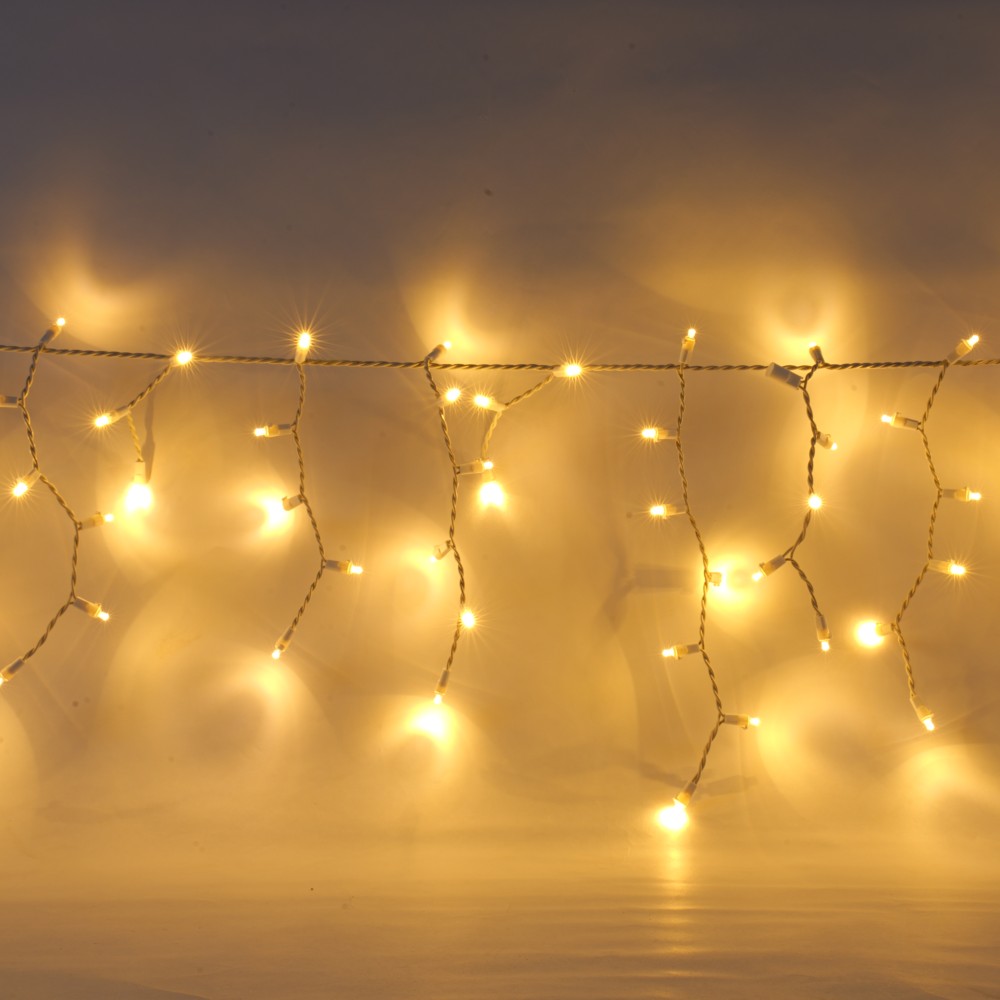
Hidden Electrical Structure Behind Fairy String Systems
Series and hybrid current paths
Most decorative light strands rely on a combination of series and parallel wiring. Current must travel through multiple LED nodes or segments before completing a loop. Any disruption along this pathway can interrupt the entire circuit, especially under unstable mechanical conditions.
- Series pathways increase sensitivity to micro-breaks inside connectors
- Segmented circuits reduce full shutdown risk but still depend on stable joints
- Internal shunt components may bypass single LED failure, yet not cable stress issues
Research on string light failures shows that wiring interruptions or connector faults often trigger total blackout events rather than gradual dimming.
Mechanical Stress as a Silent Damage Source
Suspension load and cable deformation
Unlike rigid electrical installations, fairy string lights often act as both lighting system and hanging structure. This dual role introduces continuous tension along the wire jacket.
- Gravity pull stretches thin copper conductors over time
- Wind movement creates repetitive micro-bending at socket joints
- Improper support spacing concentrates stress on a few nodes
Even minor stretching can reshape socket geometry, which gradually weakens electrical contact between LED pins and conductive tabs.
Thermal expansion cycles
Outdoor or semi-outdoor installations experience daily temperature swings. Materials expand during heat exposure and contract during cooling periods. Repetition of this cycle produces long-term fatigue in insulation layers and solder joints.
Over time, this leads to microscopic fractures that are invisible externally but impactful electrically.
Electrical Weak Points Inside Hanging Systems
Connector fatigue zones
Failure analysis of decorative lighting systems frequently highlights connector regions as primary risk points. These areas combine mechanical flexing and electrical conduction in a single structure.
- LED socket joints loosen under repetitive bending
- Copper trace transitions develop resistance spikes over time
- Crimped contact points lose elasticity under constant tension
These subtle changes increase electrical resistance, which may trigger flickering, partial dimming, or full circuit interruption.
Comparison of Common Stress Factors in Fairy Light Systems
| Stress Type | Main Source | Typical Result | Visibility |
| Mechanical tension | Hanging weight and wind load | Loose socket or broken conductor | Low (internal) |
| Thermal cycling | Daily temperature changes | Solder fatigue, insulation cracking | Very low |
| Electrical overload | Voltage instability or over-daisy chaining | Fuse activation or driver failure | Medium |
| Moisture exposure | Outdoor humidity or rain ingress | Corrosion and short circuit | Medium |
Field reports on LED string systems indicate that moisture and voltage instability frequently combine with wiring stress to accelerate degradation.
Why Stress Accumulates Without Visible Damage
Micro-fracture development
Electrical conductors inside decorative strands are thin and flexible. Repeated bending creates micro-cracks that do not immediately interrupt conductivity. Instead, they increase resistance slowly.
Insulation creep
Plastic and rubber coatings gradually deform under constant load. This “creep” effect shifts internal wiring slightly out of alignment, increasing pressure on solder points and contact tabs.
Contact oxidation
Even small gaps formed by stress allow air exposure inside connectors. Oxygen and moisture trigger oxidation on copper surfaces, reducing conductivity and increasing heat buildup.
Operational Symptoms Before Complete Failure
Early warning patterns
- Intermittent flicker during wind or movement
- Partial dimming in specific sections of the strand
- Delayed startup after power connection
- Sectional blackout while other parts remain active
These behaviors typically indicate rising resistance inside stressed wiring paths rather than immediate LED failure.
Structural Weakness vs. Design Limitations
Many decorative lighting products prioritize flexibility and visual appeal over mechanical durability. Ultra-thin copper cores, lightweight insulation, and compact LED spacing improve aesthetics but reduce tolerance against long-term stress.
This trade-off means that even normal hanging setups may gradually exceed the mechanical threshold of the wiring system, especially in outdoor or semi-permanent installations.
Failures in decorative lighting systems rarely originate from a single cause. Instead, they reflect accumulated internal strain across wiring, connectors, and insulation layers. Hanging Decoration Fairy Strings are particularly sensitive because they combine electrical conduction with physical suspension duties.
Once hidden stress reaches a tipping point, electrical continuity breaks down, producing the sudden failures often observed by users. Understanding these internal mechanisms helps explain why visually intact light strands can still stop working unexpectedly.

Don't Miss New Releases & Subscriber Exclusives
Sign up for our newsletter to stay in the holidy spirit all year.
Further Questions? Contact Us
-
Useful Links
Home Products About Us Production Services News Contact Us -
Classification
Mini String Light LED Light Set Garland Light Light-up Spiral Trees LED Curtain Lights Battery Light LED Copper Wire Light Decorative Light -
Contact Info
zd@zflgf.com.cn+86-576-82467401
+86-13968612122 ( Ms. Zhang )
+86-13505747679 ( Mr. Tan )
+86-15062835074 ( Mr. Cheng )No.270 Zhenxi Road, Xinqiao Town, Luqiao District, Taizhou City, Zhejiang Province, China -


Holiday Lights Supplier