

 中文简体
中文简体

Can Battery Lights Survive Winter Weather Outdoors
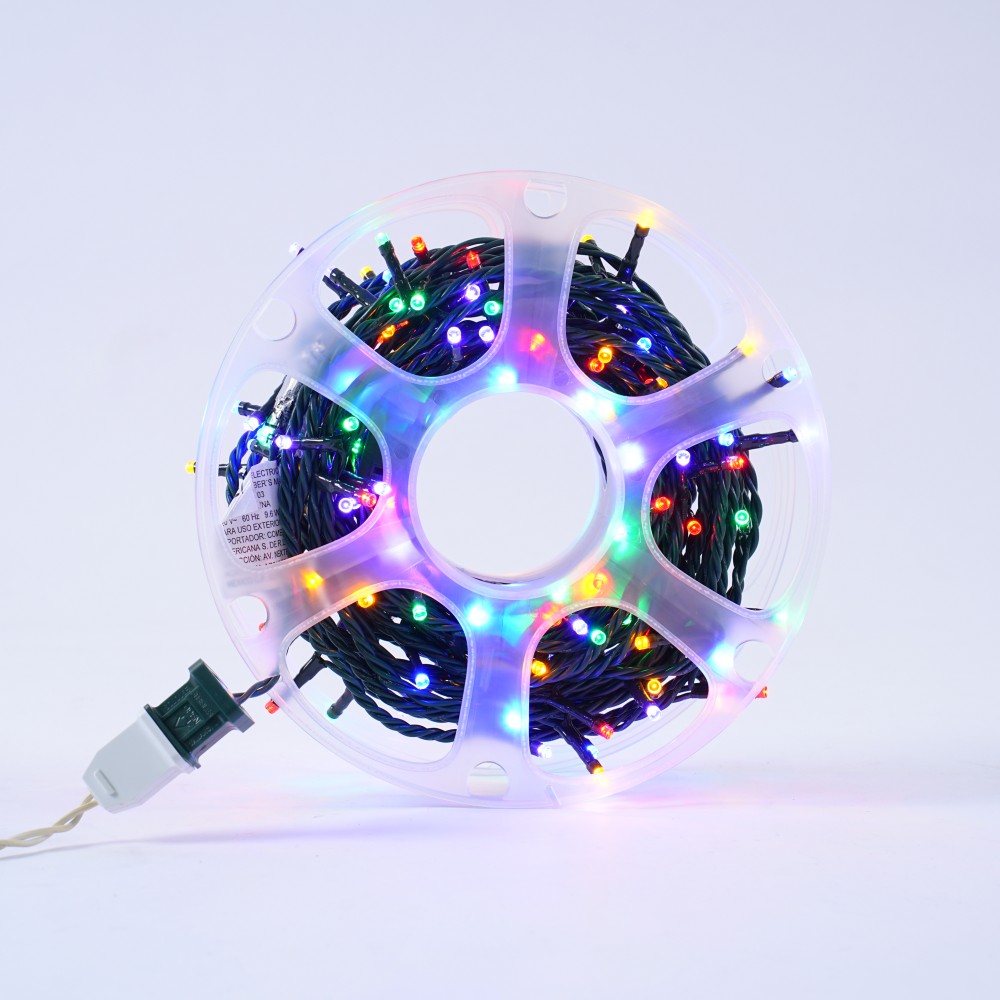
Outdoor holiday decorating has made Battery Outdoor Holiday Lights increasingly popular, especially in places where access to power outlets is limited or inconvenient. User discussions often focus less on decoration style and more on whether battery-powered lighting systems can actually endure freezing temperatures, snow exposure, and long nightly operating cycles without performance loss.
Unlike plug-in systems, battery-operated outdoor lights depend heavily on energy stability, casing protection, and temperature resistance. These factors directly determine whether the lights remain reliable throughout the winter season.
How Winter Conditions Affect Battery Lighting Performance
Temperature impact on battery output
Cold weather is one of the most critical challenges for battery-powered lighting systems. Chemical reactions inside batteries slow down at low temperatures, reducing voltage stability.
Typical cold-weather effects:
- Reduced runtime per charge or battery set
- Slight dimming in LED brightness
- Delayed response in lighting modes
- Faster depletion during extended nights
Lithium-based batteries generally perform better than alkaline types in cold environments due to more stable discharge curves.
Moisture and snow exposure risks
Outdoor environments introduce constant exposure to moisture, including snow, frost, and rain. Battery compartments and LED connectors must maintain sealing integrity to prevent corrosion or short circuits.
Common protective features include:
- Rubber-sealed battery compartments
- Silicone-coated wiring
- Heat-shrunk connector joints
- Drainage-friendly casing design
These structures help maintain electrical stability even during repeated freeze-thaw cycles.
Structural Design Behind Outdoor Battery Lights
Waterproof rating significance
Battery outdoor holiday lights are often categorized by IP protection levels.
| Rating | Protection Level | Suitable Condition |
| IP44 | Splash resistance | Light rain, sheltered outdoor areas |
| IP65 | Strong water resistance | Rain, snow exposure |
| IP67 | Temporary immersion protection | Harsh winter conditions |
Higher ratings reduce risk of internal condensation and circuit failure during prolonged outdoor use.
Battery housing engineering
Battery compartments are typically designed with multiple layers of protection:
- External sealing lid with locking mechanism
- Internal gasket insulation layer
- Shock-resistant plastic casing
- Elevated contact points to avoid water pooling
This structure helps prevent both physical damage and moisture intrusion.
Runtime Behavior in Real Outdoor Conditions
Energy consumption patterns
Battery runtime varies depending on lighting mode, LED density, and environmental temperature.
Key influencing factors:
- Steady light mode consumes less energy than flashing modes
- Colder temperatures shorten usable battery capacity
- High LED counts reduce total runtime per cycle
- Timer functions significantly extend operational efficiency
Typical performance comparison
| Usage Mode | Average Runtime | Outdoor Suitability |
| Static warm white | 18–30 hours | Stable long use |
| Flashing multicolor | 10–18 hours | Short festive bursts |
| Fade transition | 14–24 hours | Balanced usage |
| Timer-controlled mode | 2–6 weeks (intermittent) | Energy efficient setup |
Timer-based operation is often preferred for maintaining consistent nighttime illumination without frequent battery replacement.
Installation Considerations for Outdoor Battery Lighting
Placement strategy matters
Outdoor performance is strongly influenced by physical installation choices rather than lighting technology alone.
Common placement practices:
- Wrapping lights under roof eaves for partial shelter
- Installing inside transparent waterproof covers
- Elevating battery packs above ground level
- Avoiding direct snow accumulation zones
These adjustments reduce environmental stress on electrical components.
Cable flexibility and winter stiffness
Low temperatures can stiffen plastic insulation, reducing flexibility during installation. Higher-grade outdoor lights use softer PVC or silicone-based wiring to maintain pliability even in freezing conditions.
Benefits include:
- Easier shaping around fences and railings
- Reduced risk of wire cracking
- More stable long-term installation structure
User Concerns About Outdoor Battery Lighting
Do batteries need frequent replacement in winter?
Usage frequency depends on lighting mode and temperature. Cold weather accelerates discharge, but timer functions can significantly reduce consumption.
Are rechargeable batteries better for outdoor use?
Rechargeable lithium-ion batteries generally provide:
- More consistent voltage output
- Better low-temperature performance
- Reduced long-term cost
However, they still require periodic recharging cycles depending on runtime intensity.
Can outdoor lights be left installed all season?
Yes, provided that:
- Battery compartments remain sealed
- Moisture protection is intact
- Batteries are checked periodically
- Excess snow buildup is cleared when necessary
Why Battery Outdoor Lighting Remains Popular Despite Challenges
Battery Outdoor Holiday Lights continue to grow in popularity because they remove dependency on fixed power sources. This allows users to decorate areas that were previously difficult to illuminate, such as garden trees, fences, balconies, and temporary event setups.
Their advantages include:
- Full placement freedom without wiring constraints
- Quick installation and removal
- Adaptability to changing seasonal layouts
- Compatibility with both small and large decorative projects
Even with winter-related performance limitations, improvements in battery efficiency and waterproof engineering have made them increasingly reliable for seasonal outdoor decoration.

Don't Miss New Releases & Subscriber Exclusives
Sign up for our newsletter to stay in the holidy spirit all year.
Further Questions? Contact Us
-
Useful Links
Home Products About Us Production Services News Contact Us -
Classification
Mini String Light LED Light Set Garland Light Light-up Spiral Trees LED Curtain Lights Battery Light LED Copper Wire Light Decorative Light -
Contact Info
zd@zflgf.com.cn+86-576-82467401
+86-13968612122 ( Ms. Zhang )
+86-13505747679 ( Mr. Tan )
+86-15062835074 ( Mr. Cheng )No.270 Zhenxi Road, Xinqiao Town, Luqiao District, Taizhou City, Zhejiang Province, China -


Holiday Lights Supplier