

 中文简体
中文简体

Can Luxury Window Lights Transform Storefront Appeal
Luxury Christmas Window Lights increasingly appear in high-end retail districts, boutique malls, and seasonal pop-up stores. Consumer discussions show that attention is shifting away from simple brightness toward visual storytelling, depth perception, and emotional atmosphere. Window lighting is no longer just decoration; it functions as a silent communication tool between brand and passerby.
Many shoppers now evaluate storefronts within seconds, and lighting becomes the decisive factor in whether they stop or continue walking. This trend is especially visible in luxury retail environments where visual identity plays a major role in customer engagement.
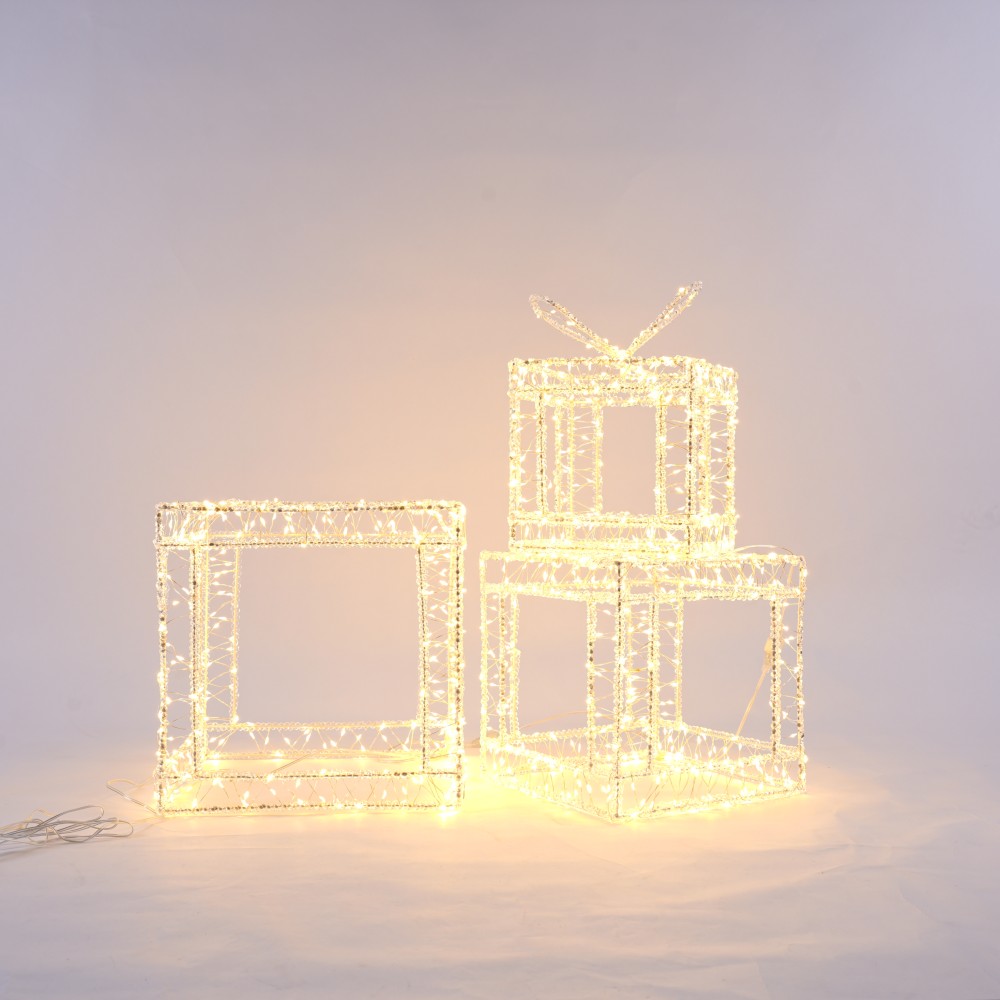
How Luxury Window Lighting Shapes Buying Psychology
Visual attention capture at street level
Luxury Christmas Window Lights are designed to create instant visual contrast against surrounding street environments. Soft glow layering, controlled beam angles, and warm tone balancing help displays stand out even in crowded commercial areas.
Studies on retail environments indicate that structured lighting improves dwell time by making displays easier to interpret visually.
Key psychological triggers include:
- Brightness contrast between window and street
- Controlled shadow depth for product focus
- Warm tones that reduce visual fatigue
- Symmetrical lighting placement for stability perception
Emotional storytelling through illumination
Window lighting is increasingly used to build emotional scenes rather than simply highlight products. Luxury themes often include winter elegance, cinematic nostalgia, or minimalist festive tone.
Common emotional design strategies:
- Soft amber glow for warmth perception
- Layered light depth to simulate natural indoor environments
- Highlighted focal props (trees, gift boxes, mannequins)
- Subtle flicker-free LED transitions for calm viewing
Research shows that emotionally structured displays can significantly increase customer curiosity and interaction time.
Technical Structure Behind Luxury Window Lighting
Luxury installations rely on precise control systems rather than random string arrangements.
Core lighting parameters
| Parameter | Typical Range | Purpose |
| Color temperature | 2700K – 3200K | Warm luxury tone |
| LED lifespan | 30,000 – 50,000 hours | Long seasonal use |
| Beam angle | 15° – 60° | Focus control |
| Voltage | 12V / 24V / AC 110–240V | Flexible installation |
| Dimming support | 0–100% adjustable | Mood variation |
These specifications allow designers to fine-tune brightness balance across multiple window layers.
Multi-layer lighting structure
Luxury window setups often follow a three-layer architecture:
- Background wash lighting for spatial depth
- Accent lighting for product highlighting
- Decorative micro-lights for sparkle texture
This structure prevents visual flattening and enhances dimensional perception.
Why C9 Style Bulbs Often Appear in Luxury Displays
Even in luxury environments, larger decorative bulbs remain popular due to their visibility and structural clarity. C9-style lighting is frequently used for outlining frames and architectural edges.
Benefits include:
- Strong visibility from long distance
- Clean geometric outlining effect
- Reduced visual clutter compared to micro-lights
- Balanced brightness for exterior viewing
These properties help storefronts maintain identity even from across busy streets.
Common Consumer Questions About Window Lighting
Do brighter displays always perform better?
Not necessarily. Excess brightness can reduce product clarity and cause visual discomfort. Balanced contrast is more effective than raw intensity.
Does color variety improve attraction?
Multicolor designs attract attention quickly but may reduce luxury perception. Monochrome or dual-tone systems often create a more premium impression.
Why do some displays feel more expensive?
Perceived value is influenced by:
- Light uniformity
- Shadow control
- Color temperature consistency
- Absence of flicker or over-saturation
Comparative Overview of Luxury Window Lighting Types
| Type | Visual Effect | Application Scenario |
| Warm white LED strips | Soft elegance | Boutique windows |
| C9 outline bulbs | Strong structure framing | Large storefronts |
| Curtain LED lights | Depth layering | Fashion displays |
| Micro fairy lights | Texture sparkle | Decorative accents |
| Spot LED projectors | Product emphasis | High-end showcases |
Each lighting type contributes differently to the overall visual narrative rather than acting independently.
Why Window Lighting Has Become a Visual “Decision Trigger”
Modern retail environments are highly competitive, and window lighting now functions as a decision accelerator. A well-lit display can:
- Reduce hesitation before entering
- Improve product visibility
- Communicate brand positioning instantly
- Create seasonal emotional relevance
Luxury Christmas Window Lights are no longer considered optional decoration but part of the storefront’s communication system.
As retail spaces continue evolving toward experience-driven design, window lighting will keep shifting toward more controlled, layered, and emotionally structured systems that focus less on decoration and more on perception shaping.

Don't Miss New Releases & Subscriber Exclusives
Sign up for our newsletter to stay in the holidy spirit all year.
Further Questions? Contact Us
-
Useful Links
Home Products About Us Production Services News Contact Us -
Classification
Mini String Light LED Light Set Garland Light Light-up Spiral Trees LED Curtain Lights Battery Light LED Copper Wire Light Decorative Light -
Contact Info
zd@zflgf.com.cn+86-576-82467401
+86-13968612122 ( Ms. Zhang )
+86-13505747679 ( Mr. Tan )
+86-15062835074 ( Mr. Cheng )No.270 Zhenxi Road, Xinqiao Town, Luqiao District, Taizhou City, Zhejiang Province, China -


Holiday Lights Supplier