

 中文简体
中文简体

Is Color Inconsistency Normal in LED Home Decoration Lights
Color uniformity plays an important role in creating a comfortable home atmosphere. A wall decorated with warm white lighting, a shelf surrounded by colorful effects, or a bedroom with soft ambient illumination can quickly change the visual feeling of a space. However, some users notice that several lights from the same set appear slightly different in color. One bulb may look warmer, another may appear cooler, or different sections of a light strip may show uneven tones.
This phenomenon raises a common question: is color inconsistency normal in LED Home Decoration Lights, or does it indicate a quality issue?
The answer depends on the cause. Small variations may come from LED manufacturing characteristics, while noticeable differences can be related to power supply conditions, temperature changes, installation methods, or internal component aging. Understanding these factors helps explain why decorative lighting sometimes loses color consistency over time.
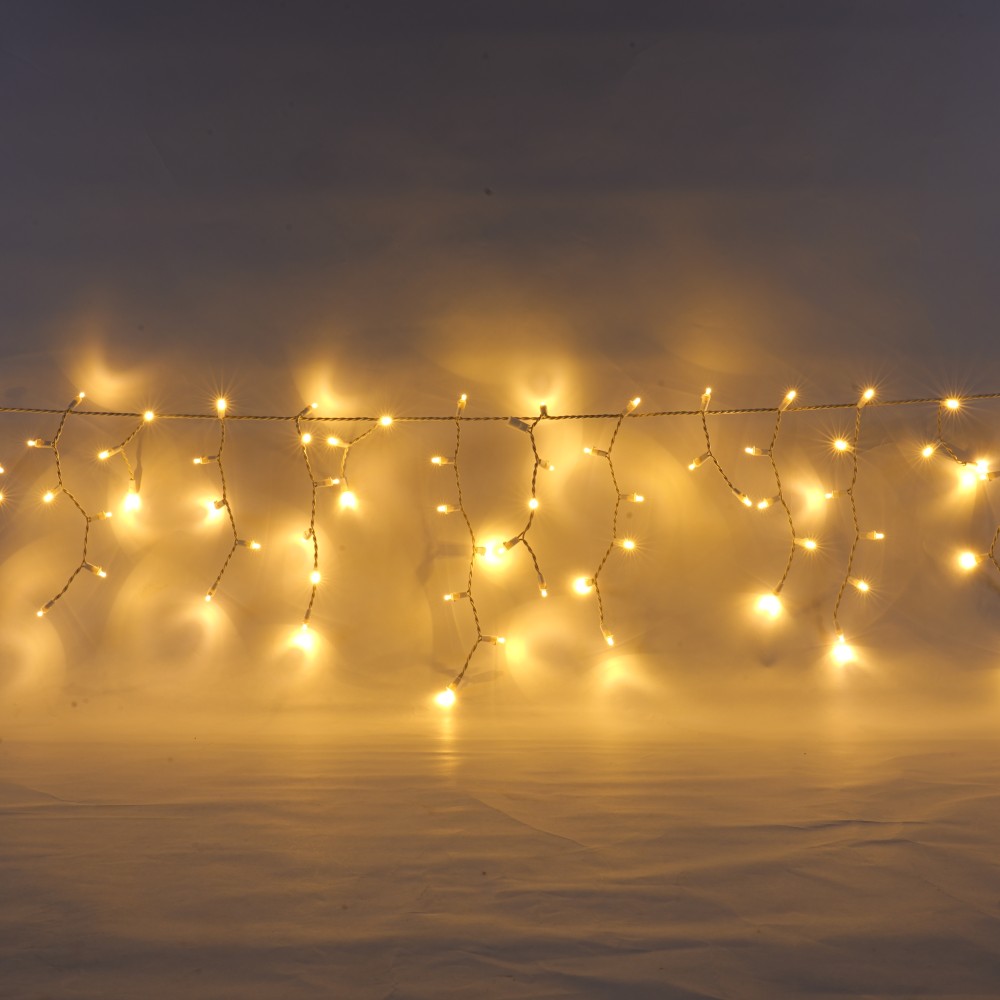
How LED Lights Produce Different Colors
LED color generation is based on precise light output control
Unlike traditional lamps that create light through a heated filament, LEDs generate illumination through semiconductor materials. Tiny differences inside LED chips can influence wavelength output, brightness, and color temperature.
Manufacturers usually classify LED chips through a process called color binning. Chips with similar color characteristics are grouped, helping improve visual consistency across a lighting batch. However, small differences may still appear, especially under close observation.
- Chip wavelength variation can create warmer or cooler tones
- Phosphor coating differences may affect white light appearance
- Brightness tolerance can influence perceived color balance
Color consistency standards such as SDCM (Standard Deviation Color Matching) are commonly used to describe how close LED products are in appearance. Smaller SDCM values indicate tighter color matching.
Common Reasons Behind Uneven LED Decoration Colors
1. Different LED batches create visible differences
Two lighting products may share the same product name and color description but still come from different production batches. Small variations in LED chips, controllers, or optical materials can create visible differences after installation.
| Cause | Technical Reason | Visible Effect |
| Different LED batches | Chip wavelength variation | Warm and cool tones appear together |
| Different production periods | Component adjustment or supplier variation | Color mismatch between sets |
| Different models | Different LED structure and control systems | Uneven lighting atmosphere |
This situation is especially noticeable in large decorative projects where multiple lighting strings or strips are installed close together.
2. Voltage differences affect color output
LED lighting depends on stable electrical input. A voltage drop along a long strip or insufficient power delivery can change the current reaching individual LED sections.
RGB lighting systems are particularly sensitive because red, green, and blue channels require different operating conditions. A weakened channel may change the final mixed color.
- Lower voltage near the end of a strip may reduce brightness and shift color balance
- Unstable power adapters may affect current consistency
- Long cable distances can increase electrical resistance
Voltage drop is a recognized reason for color differences in longer LED installations because different color channels respond differently to reduced power availability.
Does Heat Change LED Color?
Temperature affects semiconductor performance
LED components are sensitive to temperature changes. During extended operation, heat buildup inside compact lighting housings can influence electrical characteristics and optical performance.
A decorative lamp placed inside a closed shelf, behind furniture panels, or near heat sources may experience higher internal temperatures than expected.
- Higher temperatures may shift color temperature slightly
- Long-term heat exposure can accelerate component aging
- Different heat conditions between lights can create uneven appearance
Color Difference Between White LED and RGB LED Systems
White LED decoration lights
White LED products are commonly described through color temperature, such as warm white, neutral white, or cool white.
| Color Type | Approximate Appearance | Common Application |
| Warm White | Soft yellow tone | Bedroom, living room, holiday decoration |
| Neutral White | Balanced white appearance | Kitchen, workspace, display areas |
| Cool White | Blue-white appearance | Modern decorative designs |
RGB decorative lighting
RGB products create colors by mixing red, green, and blue light channels. Any imbalance between these channels can change the final visual result.
- Controller calibration affects color accuracy
- Signal transmission influences color response
- LED chip performance determines mixing quality
Users often report that RGB lighting problems are linked to controller settings, damaged channels, or power delivery issues rather than only the LED chips themselves.
How to Identify Normal Variation vs. A Real Problem
Small differences may be acceptable
A slight color difference viewed from a short distance may fall within normal LED manufacturing tolerance. Human eyes can detect small changes, especially across large surfaces with multiple light sources.
Large differences require attention
Significant color changes, sudden shifts, or one section appearing completely different may indicate an internal issue.
| Observation | Possible Explanation |
| Slight warm/cool difference | Normal LED tolerance |
| One section changes color suddenly | Power or component problem |
| Color changes after long use | Heat or aging effect |
| Different colors after installation | Batch or controller mismatch |
Ways to Maintain Better Color Uniformity
- Use matching lighting sets from the same production batch
- Choose suitable power supplies with stable voltage output
- Avoid excessive heat buildup around LED modules
- Check controller compatibility for RGB and smart lighting products
Color inconsistency in decorative LED products is not always a sign of failure. Minor differences can come from normal LED production variation, while stronger mismatches may reveal issues related to electricity, temperature, or component compatibility.
LED Home Decoration Lights combine semiconductor technology, optical materials, and electronic control systems. Their final appearance depends on how these parts work together. A better understanding of color variation helps users create more balanced lighting designs and recognize the difference between acceptable tolerance and potential performance problems.

Don't Miss New Releases & Subscriber Exclusives
Sign up for our newsletter to stay in the holidy spirit all year.
Further Questions? Contact Us
-
Useful Links
Home Products About Us Production Services News Contact Us -
Classification
Mini String Light LED Light Set Garland Light Light-up Spiral Trees LED Curtain Lights Battery Light LED Copper Wire Light Decorative Light -
Contact Info
zd@zflgf.com.cn+86-576-82467401
+86-13968612122 ( Ms. Zhang )
+86-13505747679 ( Mr. Tan )
+86-15062835074 ( Mr. Cheng )No.270 Zhenxi Road, Xinqiao Town, Luqiao District, Taizhou City, Zhejiang Province, China -


Holiday Lights Supplier