

 中文简体
中文简体

Do Multicolor Lights Change Holiday Mood Perception
Holiday lighting trends have shifted toward emotional and psychological design rather than simple decoration. Multicolor battery operated Christmas lights are frequently discussed in consumer reviews because they directly influence how a space feels rather than just how it looks. Instead of focusing on brightness or energy use, users are increasingly interested in how color variation shapes mood, attention, and comfort inside homes and outdoor spaces.
Multicolor lighting systems are now widely used in bedrooms, living rooms, patios, and small event setups where flexibility and atmosphere matter more than fixed design patterns.
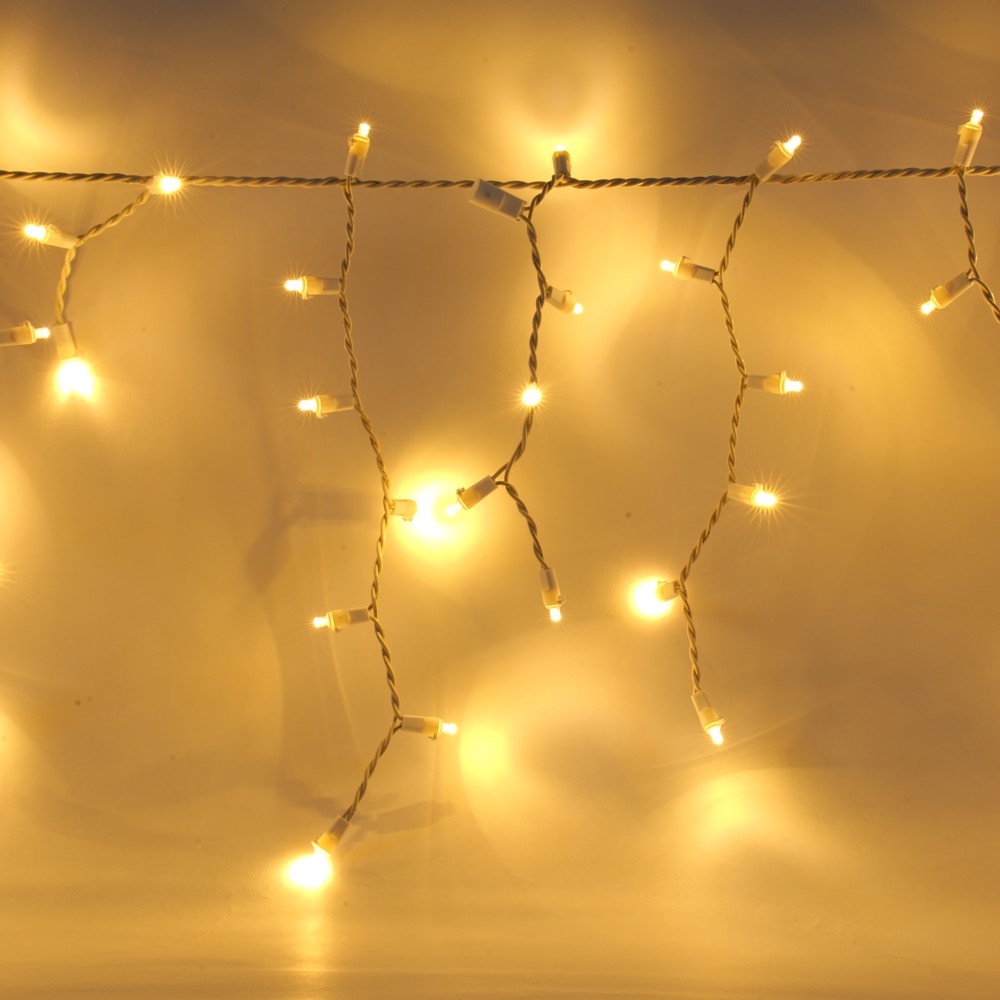
How Color Variation Influences Visual Emotion
Rapid mood switching through RGB control
Multicolor lighting systems typically rely on RGB LED chips that blend red, green, and blue diodes to produce a wide spectrum of tones. This allows a single string to shift between warm festive tones and cooler modern aesthetics.
Common emotional responses linked to color patterns:
- Warm red and amber tones → comfort and seasonal nostalgia
- Green-dominant tones → natural calm association
- Blue tones → quiet, winter-like ambiance
- Mixed rainbow mode → playful and energetic atmosphere
The ability to shift moods without changing physical decor is a key reason these lights are widely adopted.
Psychological perception of multicolor environments
Lighting research in environmental design suggests that color diversity can affect perceived energy levels in a room. Multicolor setups often increase visual stimulation, which may feel more dynamic compared to single-tone lighting.
Observed effects include:
- Higher attention retention in decorated spaces
- Increased perception of “festive activity”
- Stronger emotional recall of holiday environments
- Reduced monotony in static interior layouts
However, overly rapid color transitions may reduce relaxation comfort, which is why slower transition modes are commonly preferred.
Battery Operated Design and Practical Constraints
Wireless flexibility in placement
Multicolor battery operated Christmas lights eliminate the dependency on wall sockets, allowing placement in:
- Stair railings
- Window frames
- Outdoor fences
- Table centerpieces
- Portable decorative structures
This flexibility changes how users approach holiday decorating because layouts are no longer limited by electrical access points.
Power system characteristics
| Feature | Typical Specification | Impact on Usage |
| Battery type | AA / rechargeable lithium | Portability level |
| Runtime | 6–30 hours (mode dependent) | Usage duration |
| LED count | 20–200 bulbs | Coverage area |
| Voltage range | 3V–6V systems | Safety stability |
| Control modes | Static / flash / fade / wave | Atmosphere control |
Energy consumption depends heavily on brightness mode and animation speed rather than LED quantity alone.
Why Multicolor Lights Behave Differently in Indoor vs Outdoor Spaces
Indoor environments
Inside enclosed spaces, multicolor lighting tends to reflect off walls and furniture, increasing perceived brightness. This reflection effect makes even low-power strings appear visually dense.
Typical indoor effects:
- Enhanced color saturation
- Soft diffusion across surfaces
- Stronger emotional immersion
Outdoor environments
Outdoor use introduces competing light sources such as streetlights and neighboring decorations. Multicolor systems must rely on higher contrast and stronger saturation to remain visible.
Outdoor characteristics:
- Reduced reflection support
- Higher reliance on direct LED brightness
- Greater importance of waterproof casing and insulation
- More visible color separation at night
Comparison of Multicolor Lighting Modes
| Mode Type | Visual Behavior | User Perception |
| Static single color | Stable illumination | Calm and minimal |
| Slow fade transition | Gradual blending | Relaxed atmosphere |
| Flashing mode | Rapid alternation | Energetic and playful |
| Rainbow cycle | Continuous spectrum shift | Dynamic festive feel |
| Mixed pattern mode | Combined effects | Unpredictable visual rhythm |
Each mode creates a different emotional rhythm, influencing how people interact with the space.
Common User Curiosity Around Multicolor Systems
Do multicolor lights feel too intense for home use?
Intensity depends more on brightness settings than color variety. Lower lumen output with slow transitions often feels comfortable even in small rooms.
Does battery power limit visual quality?
Modern LED efficiency allows strong color output even under low-voltage conditions. The main limitation is runtime rather than brightness clarity.
Why do some colors look stronger than others?
Human eyes respond differently to wavelengths:
- Green appears brighter at lower energy
- Blue requires higher intensity to appear vivid
- Red often feels warmer even at lower brightness
Why Multicolor Lighting Continues to Evolve in Home Decoration
Multicolor battery operated Christmas lights are no longer just decorative accessories. They function as portable atmosphere tools, allowing users to reshape environments without structural changes.
Their appeal comes from:
- Flexible placement freedom
- Adjustable emotional tone
- Low installation complexity
- Wide compatibility with indoor and outdoor décor
As lighting technology continues to evolve, multicolor systems are expected to focus more on smoother transitions, improved battery efficiency, and more natural color blending rather than extreme flashing effects.

Don't Miss New Releases & Subscriber Exclusives
Sign up for our newsletter to stay in the holidy spirit all year.
Further Questions? Contact Us
-
Useful Links
Home Products About Us Production Services News Contact Us -
Classification
Mini String Light LED Light Set Garland Light Light-up Spiral Trees LED Curtain Lights Battery Light LED Copper Wire Light Decorative Light -
Contact Info
zd@zflgf.com.cn+86-576-82467401
+86-13968612122 ( Ms. Zhang )
+86-13505747679 ( Mr. Tan )
+86-15062835074 ( Mr. Cheng )No.270 Zhenxi Road, Xinqiao Town, Luqiao District, Taizhou City, Zhejiang Province, China -

Holiday Lights Supplier