

 中文简体
中文简体

What Causes Firefly LED Garden Lights to Attract More Insects Than Expected
Garden lighting is often designed to create a relaxing outdoor atmosphere after sunset. The soft glow of decorative lamps along pathways, balconies, lawns, and patios can make outdoor spaces feel warmer and more inviting. However, some users notice an unexpected side effect: insects gathering around their decorative lights at night.
This situation is especially noticeable with Firefly LED Lights for Garden Decoration, which are designed to imitate the gentle movement and appearance of natural fireflies. Although these lights create an attractive visual effect, factors such as light spectrum, brightness, placement, and surrounding environment may influence insect behavior.
Artificial light affects many nocturnal insects because they respond to specific wavelengths and light patterns. Studies have shown that insect attraction varies depending on light spectrum, with shorter wavelengths such as ultraviolet and blue light generally receiving stronger responses from many insect species.
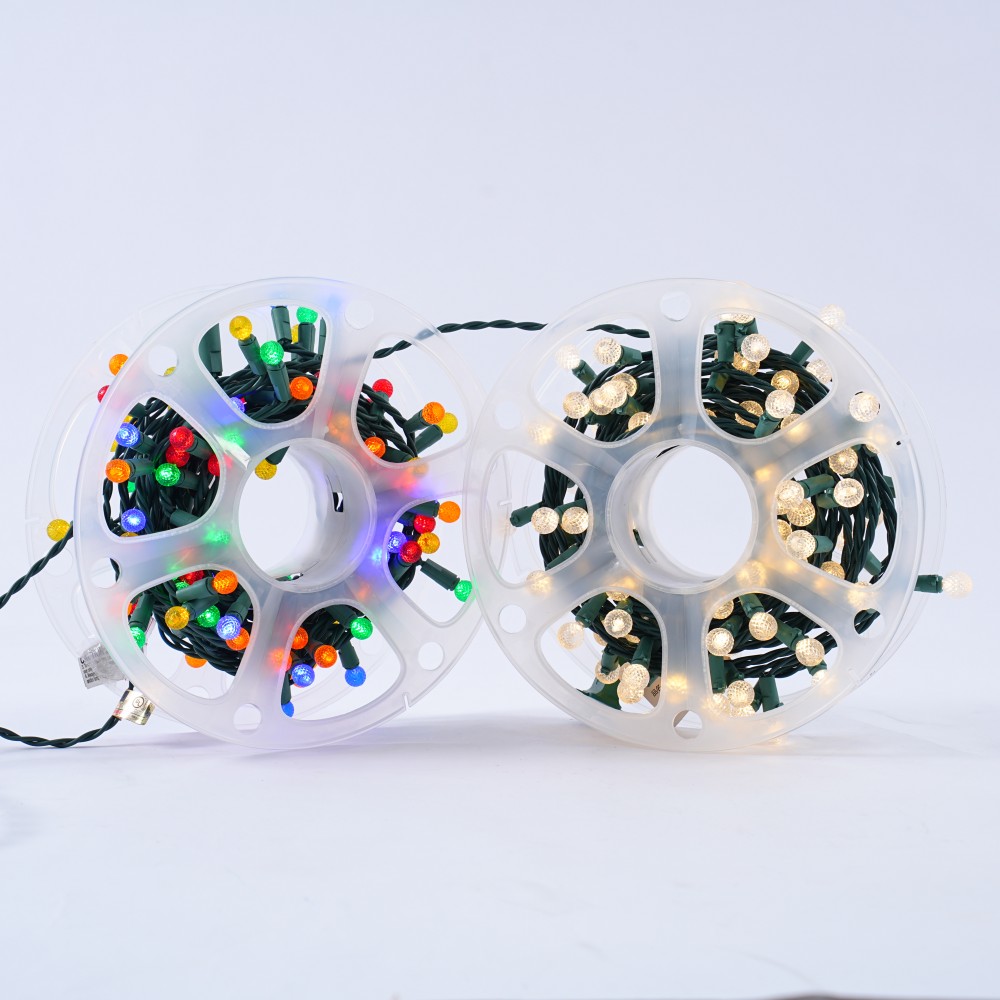
Why Do Some Garden Lights Become an Insect Attraction Point?
Light wavelength influences insect behavior
Human eyes and insect eyes do not perceive light in the same way. Many insects can detect ultraviolet, blue, and green wavelengths, which means a light that appears soft or decorative to people may look very different to insects.
The color output of an LED system depends on the semiconductor material, phosphor coating, and optical design. Different wavelengths can create different reactions among flying insects.
- Shorter wavelengths such as blue and near-ultraviolet ranges may attract certain insects more strongly
- Warm-toned lighting with longer wavelengths generally creates less attraction for many flying insects
- Broad-spectrum white light may contain multiple wavelengths that influence insect movement
Research comparing different household lighting technologies found that LED products often attract fewer insects than some traditional lighting sources, but insect response still depends on spectrum, brightness, and environmental conditions.
The Special Effect Design of Firefly-Style Garden Lights
Flashing patterns can influence insect movement
Firefly-inspired decorative lights often use small LED bulbs combined with flexible wires or motion effects to imitate natural firefly flashes. This creates a unique garden appearance, but changing light patterns may also affect nearby insects.
| Design Feature | Visual Purpose | Possible Insect Response |
| Flashing LED effect | Creates a firefly-like appearance | May attract attention from some flying insects |
| High brightness output | Improves visibility in large gardens | Creates a stronger light source at night |
| Blue or cool white tones | Produces modern decorative effects | May increase attraction for certain species |
| Multiple light points | Creates a natural glowing field | Provides several navigation references |
The movement and flashing behavior of artificial lights can interact with insect navigation systems. Nocturnal insects often use natural light sources for orientation, and artificial illumination may disturb these behaviors.
Brightness Level Can Change Outdoor Insect Activity
More illumination does not always mean better decoration
Many homeowners increase brightness because they want gardens, pathways, and outdoor spaces to remain visible at night. However, excessive brightness can create a stronger contrast between the lamp and the surrounding environment.
A decorative light becomes more noticeable to insects under several conditions:
- Dark surroundings make the light source stand out more clearly
- Open garden areas allow insects to approach from multiple directions
- Long operating hours increase the period of exposure
Modern research also suggests that the direction and intensity of artificial outdoor lighting influence insect interaction with light sources.
Weather Conditions Can Increase Insect Presence Around Lights
Humidity and temperature create active insect periods
Lighting is only one factor affecting insect activity. Environmental conditions around a garden strongly influence the number of insects that appear near decorative lamps.
| Environmental Factor | Effect on Insects |
| Warm evening temperature | Increases flying activity of many insects |
| High humidity | Creates suitable conditions for insects near plants and soil |
| Water features | May attract insects looking for moisture |
| Flowering plants | Provide additional reasons for insects to gather |
A garden light may appear to attract insects, but the surrounding landscape often contributes to the number of insects present near the lamp.
How Different LED Colors Affect Garden Insect Attraction
Warm colors vs. cool colors
The selected light color can influence the atmosphere of an outdoor space and may also affect insect response.
| LED Color | Appearance | Possible Insect Response |
| Warm White | Soft yellow appearance | Generally less attractive compared with cooler tones |
| Amber | Golden outdoor atmosphere | Often used for insect-sensitive areas |
| Cool White | Bright modern appearance | May attract more insects due to shorter wavelengths |
| Blue | Decorative colorful effect | Can attract certain insect species |
Studies examining LED wavelengths have found stronger attraction responses from some insect groups toward blue and ultraviolet ranges compared with longer wavelength red lighting.
Ways to Reduce Unwanted Insect Gathering Around Garden Lights
Adjust lighting design instead of removing decoration
Outdoor decorative lighting does not need to be eliminated to create a more comfortable garden environment. Several adjustments can reduce unnecessary insect activity.
- Choose warmer LED colors for areas close to seating spaces
- Reduce excessive brightness through dimming functions or lower-power settings
- Place lights away from doors and windows to reduce insect entry into homes
- Use timers to limit unnecessary nighttime operation
Are Firefly LED Garden Lights Causing the Problem Alone?
It is easy to assume that decorative lights are the only reason insects gather outdoors, but the actual situation is usually more complex. Light spectrum, garden plants, weather conditions, and local insect populations all work together.
Firefly LED Lights for Garden Decoration create a unique visual effect by combining small LED sources with natural-looking movement. Their ability to attract insects depends largely on technical details such as wavelength, brightness, and installation environment.
Unexpected insect activity around garden lighting does not always indicate a problem with the product. The interaction between artificial light and insect behavior is influenced by many environmental and technical factors.
A balanced lighting design can maintain the charming appearance of a firefly-inspired garden while reducing unnecessary insect attraction. Understanding how LED color, brightness, and placement affect nighttime surroundings helps users create outdoor spaces that are both decorative and comfortable.

Don't Miss New Releases & Subscriber Exclusives
Sign up for our newsletter to stay in the holidy spirit all year.
Further Questions? Contact Us
-
Useful Links
Home Products About Us Production Services News Contact Us -
Classification
Mini String Light LED Light Set Garland Light Light-up Spiral Trees LED Curtain Lights Battery Light LED Copper Wire Light Decorative Light -
Contact Info
zd@zflgf.com.cn+86-576-82467401
+86-13968612122 ( Ms. Zhang )
+86-13505747679 ( Mr. Tan )
+86-15062835074 ( Mr. Cheng )No.270 Zhenxi Road, Xinqiao Town, Luqiao District, Taizhou City, Zhejiang Province, China -


Holiday Lights Supplier